What Movies and Shows about Cybercrime Got Right and Wrong
April 08, 2026
Imagine this: you throw on a black hoodie, turn off the lights, and sit hunched over your computer while lines of code fly across the screen. Congratulations you’re officially a “hacker.” At least that’s how movies and TV have trained us to picture it.
For decades, pop culture has leaned hard into the stereotype of the mysterious genius typing furiously in the dark, breaking into systems in seconds while dramatic music swells. Most of the time it’s wildly exaggerated, sometimes to the point of being laughable. But every now and then, a show or film comes along that actually gets parts of it right.
In this blog, we’ll review some of our favorite portrayals of hacking in media and what they nailed, what they completely missed, and why some stand out as surprisingly realistic in a sea of blinking screens and instant “I’m in!” moments.
Mr. Robot
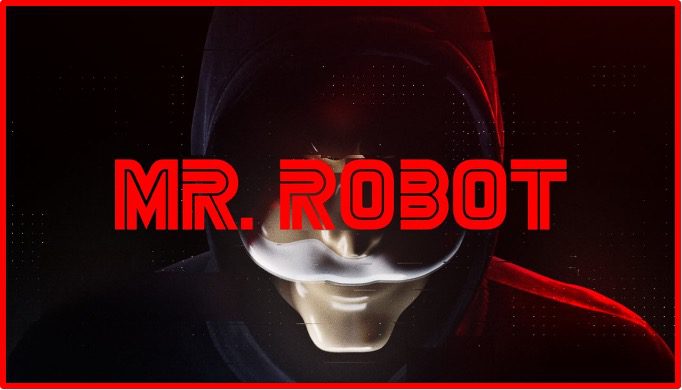
When it comes to television series that portray cybercrime with striking realism, USA Network’s Mr. Robot consistently ranks among the best. Airing from 2015 to 2019, the series centers on a young cybersecurity engineer in New York City whose exceptional hacking skills draw him into an underground collective of hacktivists. As he becomes entangled in their mission to dismantle corporate power structures, he evolves into a deeply flawed and morally conflicted cyber-vigilante.
Within the first episodes of the show, Hollywood’s normal treatment of hacking is thrown out the window. What would normally be shown as maniacal keyboard typing was instead focused on social engineering and email phishing. By showing these acts, it aligned more closely with activity seen by real life threat actors.
A component of Mr. Robot’s accuracy is derived from experts behind the scenes. The show consulted with Michael Bazzell, a cybercrime detective with 10 years’ experience with the FBI. In interviews, Mr. Bazzel states that all code used in the show was real and was created by the individuals on the team. If aspects of the hacking were unable to exist in the real world, those storylines would often be scrapped. Many individuals within cybersecurity applauded the show’s accuracy, expressing positive opinions of legitimate attack patterns and authentic hacker methodology.
WarGames (1983)
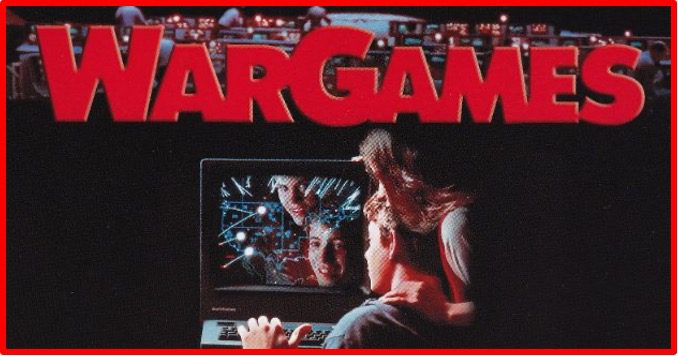
Released during the Cold War, the 1983 film WarGames follows high school student, David, who accidently hacks into a military computer and wages a war between the U.S. and USSR. After David mistakenly identifies the military supercomputer as belonging to a video game company, two experienced hackers introduce him to the concept of “backdoor passwords.” Using this hidden access method, they can bypass normal security protocols and enter the system, reinforcing the film’s surprisingly realistic portrayal of early computer security vulnerabilities.
Despite a seemingly unrealistic plot, President Reagan ordered a full national security review after viewing the film. This led to a determination by the Joints Chief of Staff that the plot was “technically possible” and 18 months later, President Regan released the first Presidential directive on computer security. Eventually the Computer Fraud and Abuse Act was passed in 1984 with the House Committee making specific reference to the film.
One of the key factors behind the film’s technical credibility was due to the depth of its research. During development, the screenwriters consulted with Willis Ware, author of the influential 1967 paper, Security and Privacy in Computer Systems. Ware confirmed that military computer systems could, in fact, have remote access points — a detail that helped shape the film’s central premise.
BlackHat (2015)
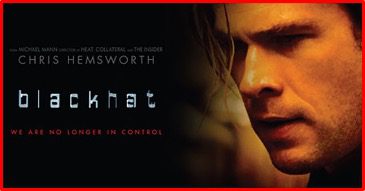
Leveraging the star power of Chris Hemsworth, the 2015 action thriller Blackhat follows a furloughed convict and elite hacker who becomes the only person capable of helping authorities track down cybercriminals responsible for breaching a nuclear power plant. While the film delivers explosive, high-stakes action, many cybersecurity experts have noted that its depiction of hacking techniques reflects a surprisingly authentic approach to real-world cyber operations. While the film eventually departs from realism, many experts praise the setup and the more practical elements presented in its first half.
The characters in the film are trying to prevent a malware attack, based on the Stuxnet attack, targeted at critical infrastructure. The Stuxnet attack refers to the 2009 malware attack that caused substantial damage to the Iran nuclear program after it was installed on computers at the Natanz Nuclear Facility. The malware reportedly destroyed one-fifth of Iran’s nuclear centrifuges.
Viewers also praised the film for its relatively authentic portrayal of hacking. Instead of relying solely on flashy visuals, it depicts Chris Hemsworth’s character working with black terminal screens, command-line arguments, and tools such as Tor and keyloggers. Like many successful tech-focused films, Blackhat relied on multiple consultants during the development and production phases. One of the most prominent was former blackhat hacker turned journalist Kevin Poulsen, who previously served three years in prison and contributed extensively to the film’s technical realism. Some viewers have even speculated that Hemsworth’s character was partially inspired by Poulsen. Another consultant was mathematician Christopher McKinley, known for his analysis and hack of the dating site OKCupid.
What Hollywood Gets Wrong
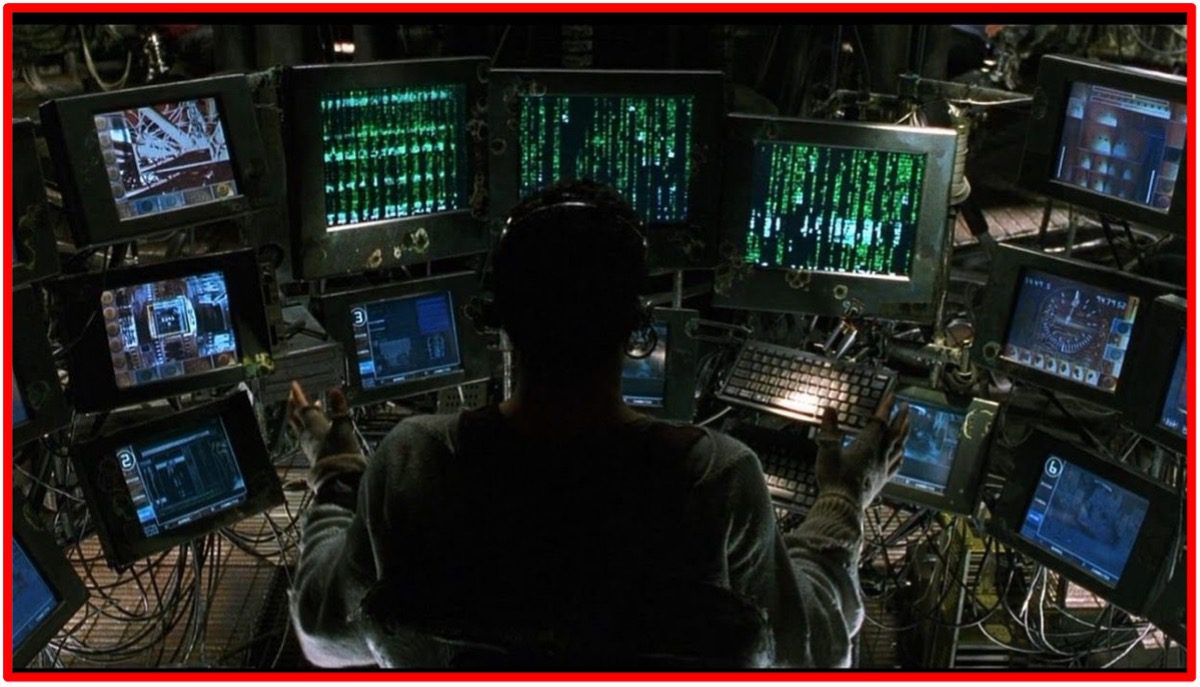
While researching shows and movies for this blog, one theme repeatedly appeared when discussing believability: time. To maintain pacing and excitement, many portrayals show hacking happening almost instantly. After only a few keystrokes and quick swipes across a screen, the hacker is suddenly inside the most secure government databases. For instance, in the 2001 film Swordfish, the main character is held at gunpoint and forced to hack into the DEA’s system; something he manages to accomplish in just sixty seconds.
A separate scenario seen in entertainment, especially when focused on law enforcement, is when a victim “knows” they are being hacked. The main point of hacking a system is to do so as quietly as possible in the hopes to acquire a large amount of information. Additionally, systems will rarely start displaying UI elements that would notify you that your system is under attack.
A common theme in many cybercrime films and television shows is the choice of targets. These stories often focus on hackers going after the biggest and most powerful entities, such as governments or major financial institutions. In reality, the most frequent victims of cyberattacks are ordinary individuals who often lose personal information when hackers breach databases containing private customer data.
And finally, even though the media often depict someone yanking the power cord from a monitor to stop a hack, remember that unplugging your monitor won’t actually stop an attack on your system.
Conclusion
A trend seen with many of the shows that are praised for being realistic is the use of consulting with experts in the field. Sometimes real-world events are so strange or unbelievable that they feel like they were written for TV. Those moments can make great plot devices and when shows draw from situations that have happened, it can make their stories feel even more realistic.
As demonstrated by the film WarGames, fictional stories can still drive real-world change. President Reagan’s inquiry following the movie prompted intelligence efforts to strengthen the United States’ defensive and offensive cyber capabilities. This underscores one of the many reasons why getting these portrayals right matters – entertainment projects can leave a lasting imprint on history.
Subscribe to our weekly newsletter to get the latest delivered to your inbox!


