How Threat Actors Get Their Names and How They Operate on the Darknet
December 03, 2025
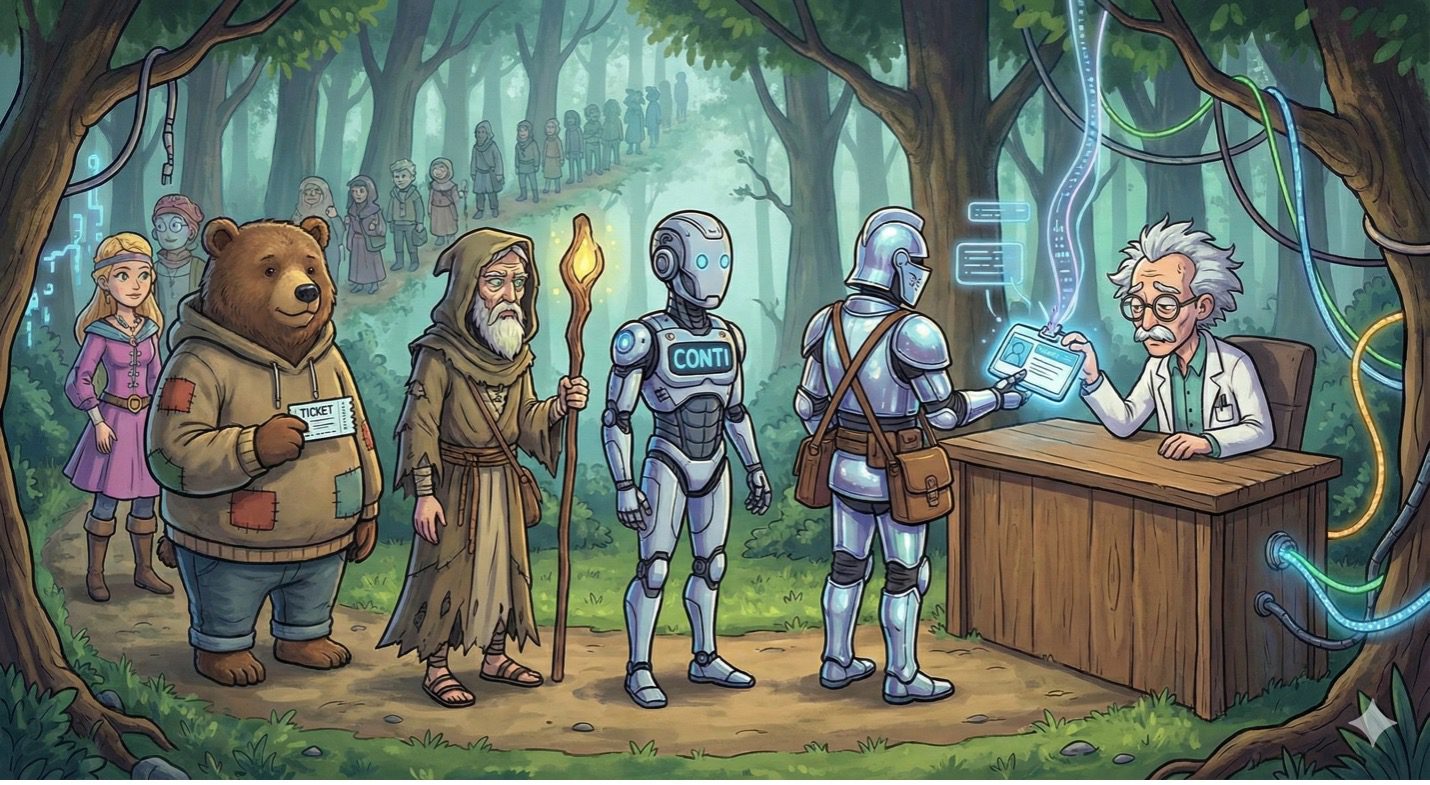
Have you ever wondered how threat actors end up with names like Cozy Bear, Lazarus Group, Conti, ShinyHunters, or Lapsus? They sound dramatic, almost cinematic, but the real story behind them is far more practical. In the cybersecurity world, these names serve as anchor points that help researchers follow long running patterns of behavior without getting buried in technical descriptions.
Most threat groups don’t identify themselves or leave any sort of signature. Analysts make those connections by looking for shared tools, similar infrastructure, recurring techniques, and familiar mistakes. When the same elements appear across multiple incidents, known as Tools, Techniques, and Procedures (TTPs), researchers often assess that they’re dealing with a single group or a tightly connected team. Giving a group a name makes it possible to track them across years, industries, and geopolitical shifts as well as compare them with other professionals.
How Naming Conventions Take Shape
Different cybersecurity companies and intelligence teams have their own naming styles. CrowdStrike is well known for animal themed names, which is where Cozy Bear and Fancy Bear came from, with “bear” being the code for Russian activity. Other organizations use minerals, weather patterns (Microsoft), codes, or even something pulled from the first case they studied – like a server alias or a fragment of code. Sometimes the naming process is almost accidental. A small detail in a malware sample might stand out and eventually evolve into the label everyone uses. What begins as shorthand inside a research team can turn into the name recognized globally.
However, some threat actors have also been known to choose their own names, especially the ones who care about visibility on the Darknet, such as ShinyHunters and Lapsus who built brands intentionally. Their names help them attract attention, buyers, or recruits. State aligned actors tend to avoid that entirely, attempting to obfuscate their activities as much as possible. Their operations rely on staying quiet; however, there can be overlap with criminal or hacktivist groups which makes it difficult for security researchers to assign a name to activities.
What Happens Once a Group Is Named
When a threat actor has a name, investigators can organize everything known about them into a structured profile. As new attacks occur, every shared pattern strengthens the understanding of that group’s behavior – sometimes leading to the identification of new groups. Analysts track the malware the group uses, how often it reuses infrastructure, the hours that match its activity, and the types of organizations it targets. Over time, this can form a reliable behavioral fingerprint. When a new intrusion resembles a known group, the name brings an entire history of techniques and motives with it.
This shared language is one of the reasons naming matters. It lets analysts talk about complex activities in a way others can quickly understand.
How Threat Actors Navigate the Darknet
The darknet often gets portrayed as chaotic, but most real activity happens inside structured, closed off communities. These spaces act like ecosystems where reputation, connections, and trust shape everything. They include invite-only forums, encrypted marketplaces, long running chat groups, and networks that link buyers and sellers. Threat actors maintain long term aliases and build trust through proven deals, technical skill, and vouches from known members. Even criminals fear scams and infiltration, so new participants usually need some form of verification before gaining access.
Each community has its own culture. Some focus on selling stolen data or credentials. Others exist for trading access to compromised networks. Some offer malware and related tools as a service. A few give actors a platform for leaking data to build notoriety. Every one of these spaces has its own rules, moderators, and internal politics.
Darknet ecosystems change constantly. Markets shut down without warning. Administrators disappear. Forums break apart and reappear under new names. Actors move with them, carrying their habits and relationships across these spaces. Those recurring habits become valuable clues for investigators.
How Investigators Connect Attacks to Groups
Attribution can look mysterious, but it relies on patterns, not guesses. Analysts gather small details across multiple incidents and compare them to what’s known about existing groups. They look at coding styles, compile choices, command structures, and mistakes that show up repeatedly. They watch for reused infrastructure, similarities in target selection, and operational timing that matches specific regions. One group might favor certain hosting providers, while another consistently makes the same configuration errors. No single clue reveals the truth. Attribution is a cautious process that builds confidence over time. That’s why researchers use phrases like “consistent with” or “aligned with known activity.” They’re acknowledging the direction the evidence points without claiming absolute certainty.
DarkOwl’s Role in Understanding Threat Actors
To understand threat actors fully, you need visibility into the places where they operate, communicate, and adapt. That’s where DarkOwl plays a central role. The darknet is intentionally fragmented and difficult to navigate, built on temporary platforms, closed doors, and hidden communities. DarkOwl collects intelligence from these hard-to-reach areas and provides the broader context needed to make sense of threat activity. DarkOwl monitors closed forums, high turnover marketplaces, encrypted groups, leaked datasets, and messaging boards that appear and disappear quickly. This depth of coverage helps analysts spot new trends early, identify resurfacing aliases, follow market shifts, and track the growth of emerging communities.
While DarkOwl doesn’t reveal identities on its own, the intelligence it provides forms the environment around each clue. It helps investigators see how threat actors move, when their chatter increases, how their tools circulate, and when a group seems to be preparing for something new. That broader view is essential for understanding the full lifecycle of threat activity.
Why This Matters
Threat actor names might sound theatrical, but they serve a practical purpose in organizing complex information. They help analysts talk about long running patterns, understand motives, and communicate findings across the industry. Once you see how these names emerge and how threat actors operate on the darknet, the landscape becomes easier to understand. DarkOwl’s intelligence adds critical visibility into the hidden corners of that landscape. Combined with naming conventions, behavioral profiling, and attribution techniques, the insight DarkOwl provides gives organizations a clearer view of the threats they’re facing and how those threats evolve.
Check out our Threat Actor Profiling.


