Who’s Delivering the Darknet?
A Deep Dive into Shipping Choices on Illicit Marketplaces
December 11, 2025
When we think of darknet marketplaces, the focus is usually on the products: drugs, counterfeit goods, stolen data, and more (linked are just a few of the blogs where DarkOwl has covered these examples). But behind every transaction lies a critical question: how does it get delivered? Shipping choices aren’t just logistical; they reflect trust, risk, and strategy in the underground economy. In this blog, we explore which carriers dominate the darknet, how preferences differ across marketplaces, locations, and product categories, and what these patterns reveal about the hidden infrastructure supporting illicit trade.
Shipping Options
Shipping is the final connection between vendor and buyer, and on darknet markets the choice of carrier shapes how a transaction is carried out. Vendors consider factors such as reliability, delivery speed, risk of scrutiny, and whether the shipment is domestic or international.
Not all listings specify shipping information. In DarkOwl’s enhanced market dataset within its DarkMart data store, a little over half (55%) of listings collected between January 2025 and November 2025 include any shipping details at all. This suggests that many vendors either keep logistics flexible or negotiate them directly with buyers. Among those listings that do include shipping information, the level of detail varies widely. Some specify a particular carrier, while others use general terms like standard or express without naming a particular service. Listings may include multiple carrier options or alternative delivery methods such as dead drops or digital delivery (see Figure 1). In some cases, only shipping price or estimated delivery time is provided, with no carrier identified.
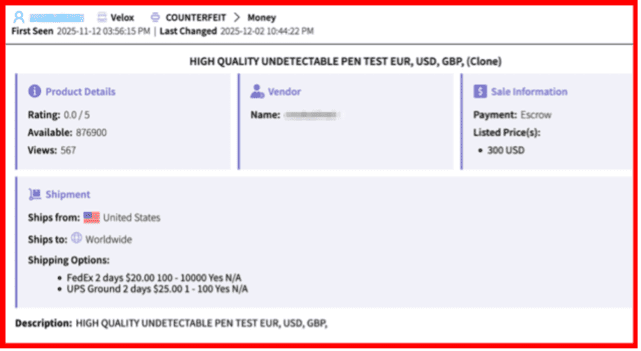
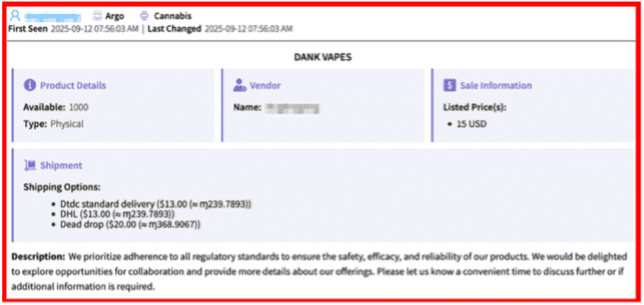
Figures 1 and 2: Example listings with varied shipping options
For consistency, our analysis focuses on the four major global shipping companies most frequently mentioned:
- USPS – The United States Postal Service (USPS) is the primary postal operator in the U.S., handling nationwide mail and package delivery. Its widespread domestic network makes it a frequent option for shipments within the country. Because USPS handles so much daily mail volume, some vendors may view it as the safest way to blend in.
- DHL – An international courier service headquartered in Germany. DHL maintains a strong global presence, particularly in Europe, and provides express and cross-border shipping to more than 220 countries and territories. DHL has a strong footprint in Europe and is known for smooth cross-border shipping, which makes it appealing for vendors sending goods overseas.
- FedEx – A major U.S.-based courier service offering express, ground, and international delivery. FedEx operates an extensive global logistics network and is well known for its fast turnaround times. Its tight tracking and security can make some vendors hesitant, though others prefer it for speed of delivery.
- UPS – Another large U.S.-based courier and logistics company with a broad ground and air network. UPS provides domestic and international parcel delivery, along with a wide range of supply-chain services. Vendors who want consistent delivery but don’t need overnight speed may lean toward UPS.
In addition to these major carriers, we also tracked references to regional postal services such as Deutsche Post, Royal Mail, and GLS, as well as nontraditional delivery methods like digital delivery and dead drops. While these alternative methods were less common than standard shipping, they illustrate the variety of strategies vendors use to move goods. Below, figure 3 shows the distribution of all delivery types.
Overall, USPS was the most frequently mentioned carrier mentioned in 34% of listings naming a shipping vendor, followed by DHL (24%), FedEx (14%), and UPS (7%). Royal Mail, dead drop, Deutsche post, and GLS appeared in a smaller subset of listings with a combined total of 8%. While we considered all these shipping methods in our analysis, the rest of this blog will focus specifically on the top four main carriers: USPS, DHL, FedEx, and UPS.
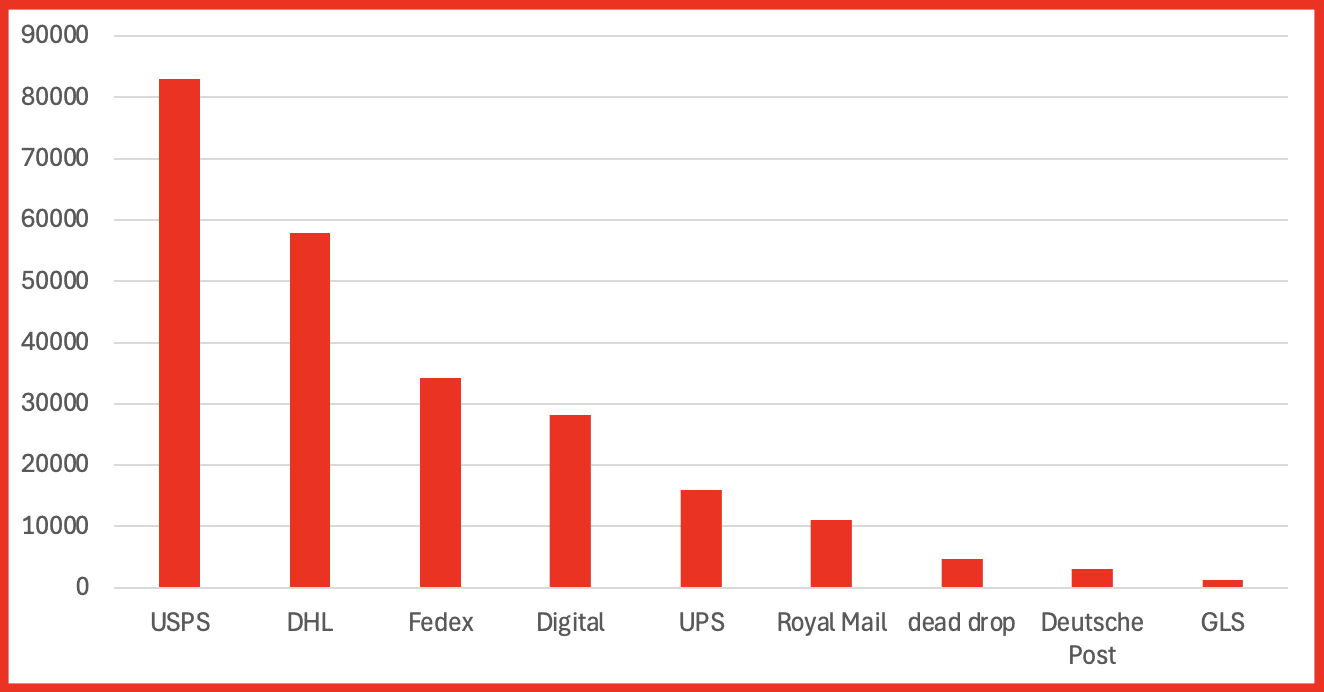
Figure 3: shipping type distribution, based on number of listings within DarkOwl’s DarkMart data store
Market Breakdown
Shipping patterns vary noticeably across darknet marketplaces. Some sites show clear loyalty to certain carriers, while others provide a mix of options. For example, MGM Grand, Dark Matter, Mars Market, and Velox Market are dominated by USPS listings, suggesting a preference for this domestic carrier. On the other hand, Crown Market, TorZon Market, and DrugHub display a more balanced mix, with FedEx and DHL appearing frequently. Certain markets, such as Courier Market, Halfbreed, and King Market, lean more heavily toward DHL, particularly for international shipments. Meanwhile, Revolution Market and Ares offer a fairly even spread across at least three of the four major carriers. Notably, UPS does not dominate in any marketplace, appearing more sporadically across listings. Figure 4 illustrates the distribution of shipping options across these top markets.
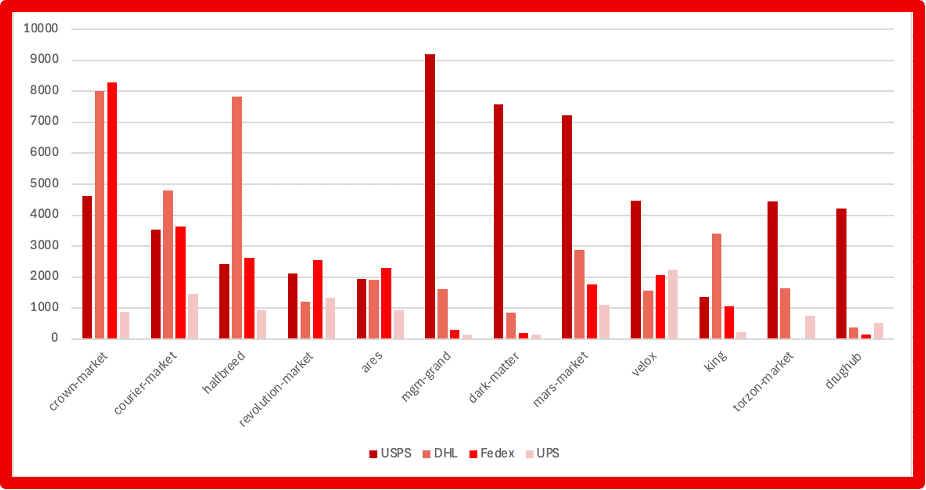
Figure 4: Distribution of shipping types across the top markets
Location Breakdown
Beyond marketplace-level trends, we also examined the origins and destinations of shipments for each major carrier. For this analysis, we focused on listings specifying country-to-country routes, rather than broader “country-to-worldwide” entries. Each country was mapped to its corresponding region or continent to simplify the view. Figure 5 presents these flows using Sankey diagrams, which visually show the volume of shipments between source and destination regions.
USPS listings show a heavy concentration of domestic deliveries within North America, along with a notable stream of transatlantic shipments to Europe. DHL’s activity is also centered around Europe, but it distinguishes itself as the primary carrier facilitating large volumes of shipments moving from Europe to Asia and Oceania. FedEx, by contrast, is dominated by routes from North America to Africa and Europe, with comparatively fewer packages staying within North America. UPS displays yet another pattern: most of its activity remains within Europe, with a smaller, though visible, share of shipments originating in North America and heading primarily to African destinations.
These patterns highlight the distinct regional footprints of each carrier. North American vendors rely heavily on USPS and FedEx for both domestic and transatlantic shipments, while European markets are served mainly by UPS and DHL. DHL’s broader international reach underscores its role in longer-distance trade, particularly to Asia and Oceania. Overall, the flow patterns reveal how vendors align carrier choice with both origin and destination regions, reflecting practical considerations like geographic coverage, shipping speed, and the global nature of darknet commerce.
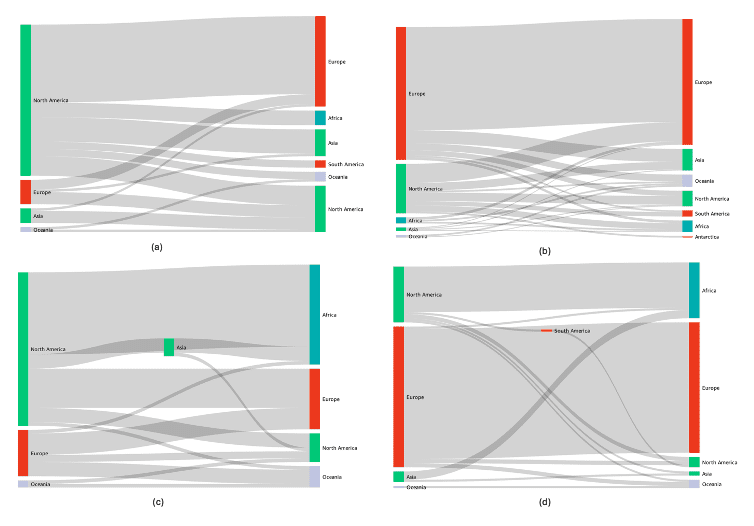
Figure 5: Shipping to/from for (a) USPS ,(b) DHL, (c) Fedex, (b), and (d) UPS
Category Breakdown
We also reviewed which types of products were being shipped by each carrier. To do this, we looked at the product categories listed in each shipment and normalized them for consistency, focusing only on listings that included both a category and one of the major carriers. Figure 6 shows how each carrier is distributed across the top three categories.
Unsurprisingly, Drugs and Chemicals made up the largest share of shipments, followed by Fraud and Counterfeit items. Drugs and Chemicals include illicit narcotics, prescription medications, and psychoactive substances, as well as, precursor chemicals. Fraud includes items such as stolen credit card data, phishing kits, and fake IDs. While counterfeit items include counterfeit currency, fake branded goods (ie, watches, bags, etc..), and forged documents. USPS clearly dominates the drugs and chemicals category, with DHL and FedEx appearing less frequently. DHL stands out as the primary carrier for fraud and counterfeit goods.
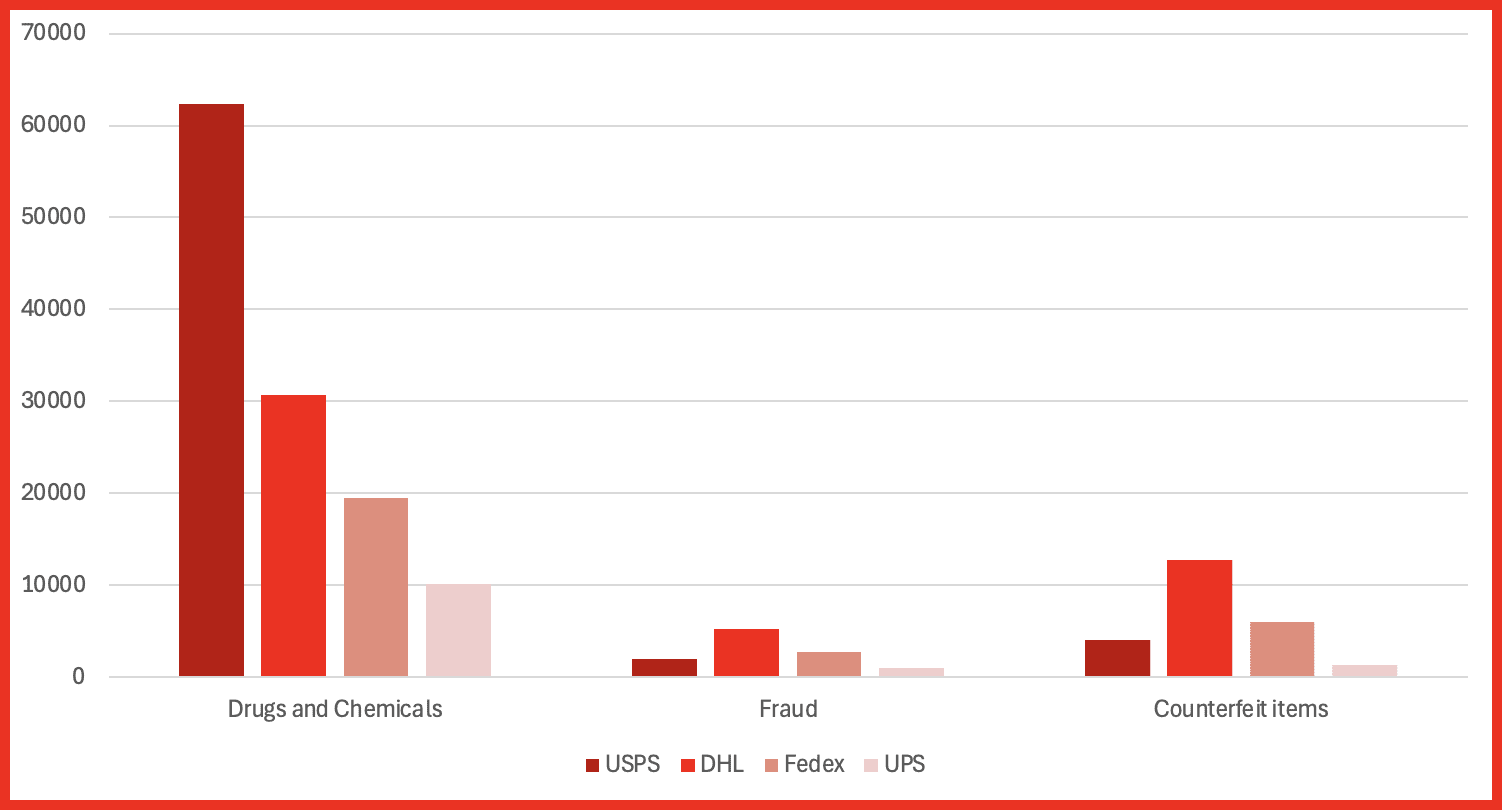
Figure 6: Category shipping by type
These patterns hint at how vendors match products to carriers based on shipping needs. USPS’s prominence in drugs and chemicals suggests a focus on domestic or shorter-range shipments, whereas DHL’s role in fraud and counterfeit items highlights its reach for international deliveries. FedEx’s presence across multiple categories may indicate its flexibility for both speed and cross-border logistics. Overall, the distribution of products across carriers gives a window into the practical considerations shaping darknet shipping—showing how the type of product can influence both the choice of carrier and the geographic scope of the shipment.
Conclusion
Shipping on the darknet is far from random, it’s a carefully chosen part of the trade. Different carriers dominate specific markets, regions, and product types. USPS dominates deliveries within the U.S., especially for drugs and chemicals, while DHL and FedEx handle more international shipments and fraud-related goods. UPS shows up but rarely takes the lead. Across marketplaces, countries, and product types, clear patterns emerge: vendors align their carriers with the practical demands of each shipment, from speed and reliability to geographic reach. These trends reveal that even in illegal markets, logistics and strategy matter. By looking at how goods move, we gain a window into the hidden infrastructure that keeps darknet commerce running smoothly, an underground network that’s as much about moving packages as it is about managing risk and trust.
Curious to learn how darknet data is relevant to you? Contact us


