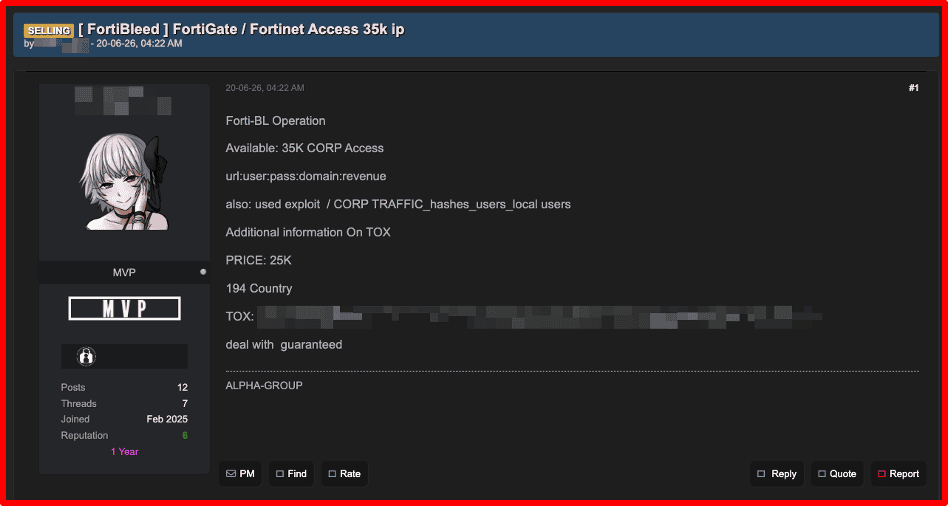
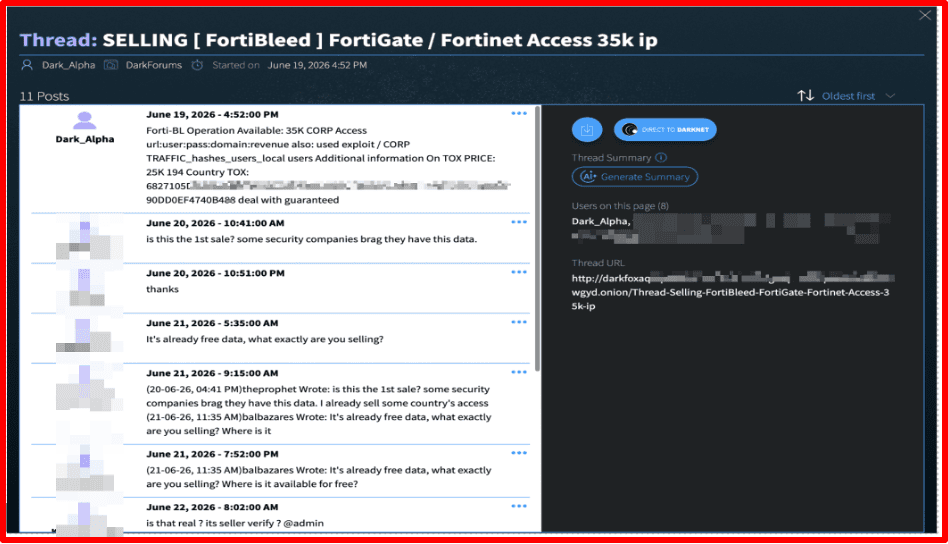
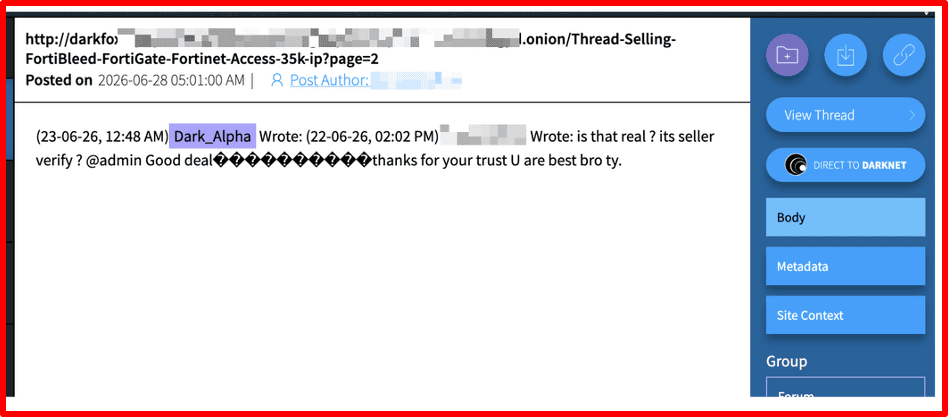
ISS World Europe is one of the biggest dates in the calendar for intelligence agencies and technology vendors. Widely considered the largest of the ISS World Series conferences, which are held elsewhere during the remainder of the year, DarkOwl was busy (re)connecting with customers old and new – from exhibitors to guests.
In what was DarkOwl’s 10th year exhibiting and speaking at the event, a booth team of 4 DarkOwlers were on hand at the 2026 edition. For three days the team explained DarkOwl’s role in OSINT workflows, demoing a new structured marketplace feature, collecting product feedback, meeting customers and holding a DarkOwl Vision platform workshop for police officers.
Figure 1: DarkOwl Team talking to ISS World attendees
ISS World Europe – held in Prague – is the world’s largest gathering of regional Law Enforcement, Intelligence and Homeland Security analysts, Telecoms, Financial (and Cyber) Crime investigators and electronic surveillance professionals.
Real estate in the exhibitor halls proved to be at a premium, with many exhibitors filling dead space in corridors, entrances and even service areas to meet this year’s unprecedented demand.
In addition to enabling public-private partnerships in the exhibition halls, ISS World runs exclusive workshops for law enforcement guests. DarkOwl is a regular fixture. DarkOwl held a workshop to educate law enforcement and government analysts managing intelligence and investigations in the digital realm. We spoke about the DarkOwl Vision practitioner journey: from using our technology to accelerate criminal investigations, to educating our practitioners about navigating internal procurement for darknet monitoring tools.
Figure 2: A photo of DarkOwl’s ISS Workshop this year
A notable theme from the conference included the application of agentic AI to investigative workflows. Also, lawful interception in the age of encryption and privacy configuration.
The challenge of harnessing OSINT at-scale was another topic. As OSINT becomes relevant across all intelligence disciplines, there’s a choice to be made: Do we upskill the general population of analysts with OSINT tradecraft, or focus on fusion cells and labs to concentrate OSINT expertise in government?
Overall, whether it was listening and learning from the 15+ exhibitors that are already using DarkOwl, to the young LEA analysts from various EU police forces seeking to do so, ISS World Europe was a reminder of why it’s one of our favorite shows.
Your files are locked. A countdown timer is ticking. And someone you’ve never met is demanding $2 million in Bitcoin before the clock hits zero.
For thousands of organizations every year, this isn’t a hypothetical; it’s Tuesday morning. And in that moment, the instinct is to panic, pay, and pray. But the organizations that come out ahead aren’t the ones who act the fastest. They’re the ones who act the smartest.
Ransomware negotiation has quietly evolved into a professional discipline, complete with its own playbook, psychology, and practitioners. What looks like a hostage situation is actually a business transaction — one with leverage points, bluffs, and countermoves that most victims never think of using. By employing the right negotiation strategies, organizations may be able to protect critical data, reduce operational disruption, and minimize reputational damage.
Law Enforcement’s Stance
While paying the ransomware may be the individuals first thought, the FBI strongly suggests not paying a ransom in response to an attack. Their reasoning states three separate factors:
No guarantees: Paying does not ensure your network or encrypted files will be successfully restored.
Encourages more crime: Submitting to demands funds the perpetrators and incentivizes them to target you and others again.
Operational funding: Ransomware payments provide capital for threat actors to grow their criminal enterprises.
The U.S. Joint Ransomware Task Force (JRTF), co-chaired by the FBI and CISA, represents a coordinated national effort to combat the growing threat of ransomware attacks. The task force brings together government agencies and private sector partners to improve information sharing, strengthen operational coordination, and streamline the federal response to ransomware incidents. Through joint investigations, threat disruption operations, and the development of cybersecurity best practices, the JRTF plays a critical role in helping organizations prevent, respond to, and recover from ransomware attacks. Its creation marks a significant step toward a more unified and proactive approach to defending against evolving cyber threats.
However, some victims do choose to pay.
Tactics
If your organization has decided to engage in negotiations with the threat actors, several steps should be taken before and during communications to help ensure the situation is managed as effectively and efficiently as possible. The following are recommended tactics and considerations for organizations that choose to pursue negotiations with threat actors.
Before Contacting the Threat Actor
Gather Professional Assistance/a Team: Ransomware response requires coordinated decision-making across security, legal, business continuity, and executive leadership teams, with incident response leads managing containment, forensic analysis, regulatory obligations, and communications. Organizations should never respond to ransomware incidents alone; instead, they should engage cybersecurity experts, CERTs, ransomware recovery specialists, cyber insurance providers, and law enforcement to ensure a structured, legally compliant, and effective response. All communication with attackers should be centralized through a single authorized point of contact, while critical decisions such as ransom payment approval and business continuity actions remain restricted to C-level leadership.
Begin Forensic Analysis: Forensic analysis should determine the extent of both encryption and potential data exfiltration by examining network logs, endpoint detection telemetry, and threat intelligence related to the ransomware variant involved. Incident response teams should confirm whether exfiltration occurred, identify the affected systems, and assess the types of data that may have been compromised, while preserving evidence for legal and regulatory requirements. Understanding the tactics of the ransomware group, such as RansomHub, can help predict the likelihood and timing of data exposure.
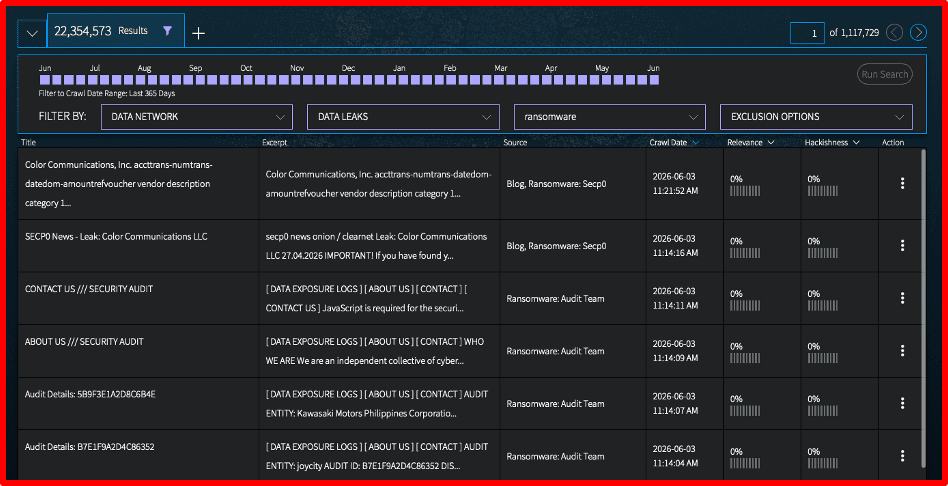
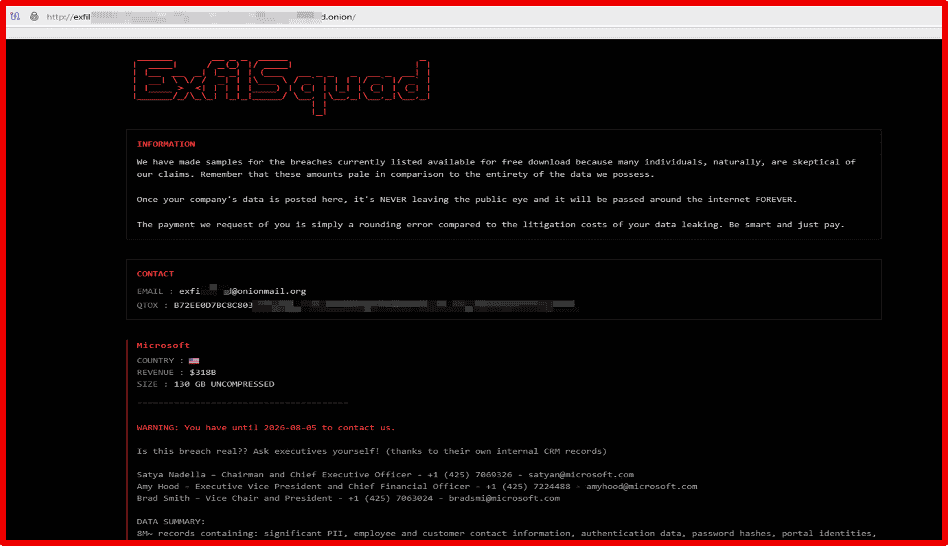
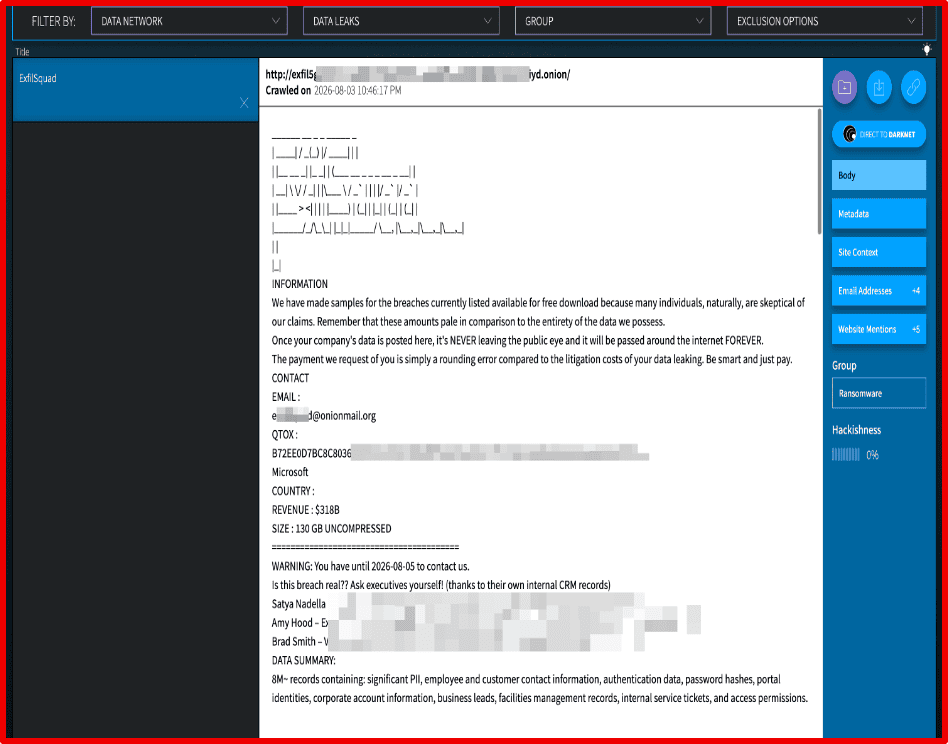
Monitor Leak Sites and Extortion Channels Early: Organizations should begin monitoring leak sites and underground channels as soon as there are indications that data may have been stolen. Threat actors increasingly use dedicated leak platforms to apply pressure, damage reputations, and create urgency around payment demands. Monitoring should extend beyond the organization’s primary name to include subsidiaries, brands, executive names, and other identifiable assets. Early visibility into leak activity can help organizations understand the threat actor’s tactics, anticipate public disclosures, and prepare appropriate communications responses.
Many ransomware groups release small samples of allegedly stolen data before publishing larger datasets. Tracking these developments in real time allows organizations to validate claims, assess potential business impact, and make informed decisions without relying solely on information provided by the attacker.
After Initial Contact
Establish Controlled Communication: Centralizing communication prevents mixed messages, unauthorized concessions, and tactical mistakes that can weaken the organization’s position. It also ensures that discussions remain consistent and aligned with legal, operational, and business objectives. The initial response typically acknowledges receipt of the ransom demand while requesting additional time for internal review and executive decision-making. Every interaction should be carefully documented to support legal, regulatory, insurance, and post-incident reporting requirements.
Buy Time and Manage Expectations: Time is one of the most valuable assets during a ransomware incident. Every additional hour allows incident responders to collect forensic evidence, IT teams to validate backup and recovery options, legal teams to conduct sanctions screening, and leadership to evaluate potential courses of action.
Experienced negotiators use legitimate business processes to slow the pace of discussions. Requests for additional approvals, verification of impacted assets, or assessments of operational impact can all create valuable breathing room. Negotiations may pause and resume multiple times as new information emerges, and recovery efforts progress. At the same time, negotiators can begin shaping expectations around what the organization can realistically pay by referencing constraints such as insurance coverage limits, financial approval requirements, or board-authorized spending thresholds.
Keep Record of all Correspondence: If ransom negotiations are pursued, maintain detailed records of all communications and payment instructions to support law enforcement and investigative efforts. Additionally, request that the attackers demonstrate the validity of the decryption key by successfully decrypting several randomly selected files.
Real Life Examples
Instructure (2025) – On May 01, 2026, the threat actor group, ShinyHunters, revealed on their data leak site that they had allegedly breached the education technology company Instructure, a cloud-based education technology company best known for its Canvas learning management system, which schools and universities use to manage coursework, assignments, grading, and communication. The group had claimed to have stolen 280 million records connected to students and staff from over 8K colleges, school districts, and online education platforms. Using Canvas data export feature ShinyHunters was able to harvest “hundreds of gigabytes of user records, messages, and enrollment data”. According to the data leak site, ShinyHunters extended their deadline until May 12, claiming some of the affected institutions were engaging with the group.
In a statement on May 11, Instructure, announced they had reached an “agreement” with ShinyHunters to prevent recently breached data from being leaked. The company also disclosed that ShinyHunters had returned the stolen data and provided proof of destruction. ShinyHunters removed the warning from their leak site and posted a press statement saying they had no comment and all data had been destroyed. The FBI has warned against paying ransoms, noting that doing so does not guarantee threat actors will refrain from selling stolen data. However, the company said it acted in what it believed was the best interest of its “community”.
On May 12, the U.S. House Committee on Homeland Security requested Instructure executives to testify on the two cyberattacks by ShinyHunters on the company. The Homeland Security Committee said the repeated breaches raise “serious questions” about Instructure’s incident response practices and its ability to safeguard the data in its possession. The committee asked Instructure to participate in a briefing by May 21 to address both incidents, including the scope of the compromised data, containment and notification measures, and the company’s coordination with federal agencies.
CWT Global (2020) – In July 2020, the ransomware group Ragnar Locker infiltrated U.S. travel management company, CWT’s network, shutting down more than 30,000 computers and exfiltrating sensitive corporate data. After the attack, the threat actors demanded a $10 million ransom in exchange for a promise not to publicly release the stolen information. To demonstrate the credibility of their threat, Ragnar Locker directed CWT to a password-protected press release hosted on a hidden section of the group’s website, detailing the impending data leak.
Facing significant financial challenges caused by the COVID-19 pandemic, CWT reportedly negotiated the ransom demand down to $4.5 million. The payment was ultimately made in Bitcoin, after which Ragnar Locker claimed to honor its agreement by deleting the stolen data. The group provided CWT with credentials to access a cloud storage repository containing the exfiltrated files and removed the prepared leak announcement from its website.
In an unusual ending to the incident, Ragnar Locker also shared recommendations for improving cybersecurity defenses. Among their suggestions were stronger internal security policies and employee awareness measures, arguing that antivirus software alone is often insufficient to prevent sophisticated ransomware attacks.
University of California San Francisco (2020) – In June 2020, the University of California, San Francisco (UCSF) became the victim of a significant ransomware incident when cybercriminals encrypted critical servers and data belonging to the institution. The attack was carried out by operators of the NetWalker ransomware, a notorious malware strain responsible for numerous high-profile extortion campaigns. Although UCSF’s School of Medicine was heavily involved in leading COVID-19 antibody testing research at the time, university officials stated that the attack was not specifically directed at the institution.
After gaining access to UCSF’s network, the attackers encrypted important files and demanded a substantial ransom for their release. Ultimately, the university agreed to pay more than $1 million to the cybercriminals in exchange for a decryption key and assurances that copies of the stolen data would be returned or destroyed.
According to university officials, the payment enabled the restoration of access to critical files and systems. While UCSF declined to disclose the exact nature of the data involved, it emphasized that there was no evidence suggesting that patient medical records had been compromised during the incident.
Conclusion
While negotiating with ransomware attackers may appear to be the quickest path to recovery, organizations should approach that decision with extreme caution. Paying a ransom can fund future criminal operations, incentivize additional attacks, and potentially mark an organization as a willing target for future extortion attempts.
Perhaps most importantly, payment offers no certainty. Threat actors may fail to provide a working decryption key, demand additional payments, or retain stolen data despite receiving the ransom. As a result, ransomware negotiation should never be viewed as a guaranteed solution.
The most effective defense against ransomware remains preparation: maintaining secure backups, implementing strong cybersecurity controls, developing a tested incident response plan, and engaging experienced legal, cybersecurity, and negotiation professionals when an attack occurs. By focusing on resilience rather than reaction, organizations can reduce the impact of ransomware incidents and make informed decisions that align with both their operational needs and long-term security objectives.
Darknet marketplaces (DNMs) have become one of the defining features of the dark web, enabling anonymous users to buy and sell illicit goods and services beyond the reach of traditional online platforms. Early marketplaces like The Farmer’s Market laid the groundwork, but it was Silk Road that brought global attention to the underground economy operating through anonymized networks such as Tor. Since Silk Road’s takedown by law enforcement in 2013, the DNM ecosystem has remained in constant flux, with competing platforms emerging, collapsing, or disappearing altogether as vendors and buyers migrate in search of stability and security.
In recent years, law enforcement agencies have significantly improved their ability to disrupt and seize DNMs, forcing marketplaces to adapt, else vanish. At the same time, users face growing risks from “exit scams,” where marketplace administrators abruptly shut down operations and abscond with funds held in escrow. This instability has accelerated the rise of more security-conscious platforms that prioritize operational resilience and tighter user vetting.
Modern DNMs typically operate on Tor or similar anonymity-focused networks, using layered trust and security mechanisms to protect both buyers and sellers. Features such as encrypted communications using PGP (Pretty Good Privacy), escrow payment systems, user verification, and rotating mirror domains are designed to reduce exposure and maintain continuity during takedowns. Some platforms have gone further by adopting invite-only models, restricting access to vetted users in an effort to strengthen operational security and avoid infiltration.
DarkBay Marketplace
Darkbay is a darknet marketplace accessible through the Tor network, with a name seemingly designed to mirror the familiarity of the legitimate platform eBay. Like many dark web marketplaces, it connects buyers and vendors involved in the trade of illicit goods and services, including narcotics, stolen financial data, counterfeit documents, malware, and hacking tools. Transactions are typically conducted using cryptocurrencies, while features such as vendor ratings and escrow services help build trust in an otherwise high-risk environment. As with other DNMs, users face significant risks ranging from scams and financial loss to potential law enforcement action. According to DarkOwl’s Vision, we have over 12,534 results pertaining to DarkBay Market. Open-source information reveals versions of the DNM have existed since 2020. Since first collection, activity has remained steady averaging around 500 listings per month, excluding a drastic increase of listings in January 2026. Analysis of the increase in January reveal over 2K listings made by the vendor amazonianstore selling primarily prescription drugs. According to DarkOwl Vision, amazonianstore, is the most active vendor on the site posting over 7K listings.
Figure 1: DarkOwl Vision Graph of DarkBay Market Activity
Figure 2: DarkOwl Vision Top 10 Vendor List for DarkBay Marketplace
Figure 3: DarkOwl Vision Graph Activity for Vendor Amazonianstore
Open-source reporting on the marketplace remains limited. However, a Reddit discussion from January 2020 included multiple users questioning the site’s legitimacy. More recent analysis suggests that vendors primarily operate through associated Telegram channels, which buyers can contact directly. The overall credibility of sellers on the platform remains difficult to verify, and the extent of fraudulent activity is unclear.
Homepage
The below screenshot shows DarkBay’s homepage. Unlike other DNM’s the site does not require you to log in to view “merchandise”. DarkBay’s page layout advertises popular sales, such as drugs and weapons, database leaks, and even a Goldendoodle puppy.
On the left-hand side, the page provides links to specific sales categorizing them as:
Drugs (38,292 Listings)
Electronics (1,101 Listings)
Finance (45,233 Listings)
Hacking (7,898 Listings)
Other (16,612 Listings)
Currently (as of early June, 2026) there is a total of 109,136 product listings. The drugs section currently contains the most product listings, while Miscellaneous contains the fewest listings. The products with the most listings are currently prescriptions (11,063 listings), weapons (10,507 listings), and credit cards (9,992 listings).
Additionally, DarkBay features dedicated “store” pages that highlight individual sellers and present them as verified vendors. These pages allow buyers to browse all products offered by a seller and indicate their experience through a simple thumbs-up or thumbs-down rating system.
Drugs
The drugs section on DarkBay offers a variety of illicit narcotics and prescription drugs (including tobacco products) such as marijuana, MDMA, LSD, and more. Currently (as of early June, 2026) there are a total of 38,292 drug listings on this market. The below displays a preview of these listings:
LSD Pacman 22mcg, $30 USD
MDMA, 10 pills/$40.00 USD
Magic Mushrooms, 30 grams/$90 USD
DarkOwl analysts selected one product (see below screenshots) to further examine. The below product is allegedly “Pure Uncut Heroin 90%” shipped from Germany. According to the description the product is “Pure uncut Afghan heroin” and can ship worldwide. The site does not provide an area for reviews or comments. Since November 2025, DarkOwl Vision shows over 300 listings for “Heroin” from 7 vendors.
Figure 9: DarkOwl Vision Vendor List
Electronics
The Electronics section on DarkBay features a wide range of illicitly sold devices, including smartphones, computers, smartwatches, and other consumer electronics. Among the available categories, the computers section contains the highest number of listings, totaling approximately 428 active posts. In addition to hardware sales, vendors also advertise cyber-related services such as social media account hacking, as well as fraudulent documents including fake driver’s licenses and passports.
A significant portion of the smartphones listed for sale — including both Apple and Android devices — are offered by vendors identified as “verified sellers” on the platform, suggesting an established reputation within the marketplace. The prevalence of verified accounts may contribute to increased buyer trust and the continued growth of illegal electronic commerce on the site.
Finance
The Finance section offers “Counterfeits, Credit Cards, Cryptocurrency, Gift Cards, PayPal, and Transfers” with counterfeits and credit cards containing the highest number of results. The section’s homepage prominently showcases counterfeit currency and fraudulent credit card offerings, indicating that these products constitute a significant portion of the marketplace’s financial activity.
After reviewing the counterfeit cash offerings, analysts identified a significant volume of sales linked to the verified seller, DigitalPrint. The vendor advertises counterfeit currency from multiple countries and claims to operate out of the United States. In promotional posts, the seller states they “take care of every detail: watermarks, serial numbers, paper type, color-shifting inks, security threads, 3D security ribbons and that makes it extremely hard to distinguish our fake notes from real ones even with UV detectors.” They also caution buyers against depositing the counterfeit currency into banks.
A review of the credit cards for sale indicates that many of the listings claim to include preloaded spending limits. This section appears to contain a higher number of random, unverified sellers compared to the counterfeit documents section. In the example below, a seller advertises an American Express card with a purported $4,500 limit for $450 USD. The listing also states that the card includes a PIN and cash withdrawal instructions.
Hacking
The Hacking section offers a range of illicit “products,” including database leaks and services claiming to provide unauthorized access to email and social media accounts. This includes alleged “pre-built” malware that buyers can purchase and use to infect machines of their choosing.
Due to the absence of review or feedback mechanisms on the site, the credibility and effectiveness of these sellers’ claimed hacking capabilities cannot be verified. Although sellers rarely disclose how the information was obtained, it is likely that at least some of the account data originates from prior database breaches or leaked credential collections.
Other
The “Other” category includes a variety of miscellaneous sale sections, such as COVID-19 items, gambling services, passports, vehicles, and weapons. Among these, weapons account for the largest volume of listings, with a total of 10,507 sales. Another notably active section is passports, where buyers can obtain counterfeit identification documents, including Social Security numbers.
Open-source information revealed a 2021 publication from the National Library of Medicine (NLM) that referenced the sale of COVID-19-related materials on DNMs prior to the availability of legitimate vaccines. The publication specifically identified DarkBay marketplace as hosting the majority of COVID-19-related listings, with personal protective equipment (PPE) being the most frequently advertised product category. The chart below presents NLM’s findings on COVID-19–related listings across DarkBay compared with other analyzed marketplaces, showing a significantly higher number of such listings on DarkBay.
Analyst review of the current COVID-19 section found that most listings now appear to involve illegal prescription drug sales, representing a shift from the activity observed in 2021. The reason these prescription drug listings remain categorized under the COVID-19 section is unclear.
Conclusion
While DarkBay appears to lack the legitimacy and reputation of more established DNMs, many buyers are still drawn to them because they offer products at lower prices. Its rise in prominence reflects the disruption caused by the shutdown of major marketplaces such as Silk Road seizure and AlphaBay shutdown. Although the legitimacy of vendors and listings on these platforms is often uncertain, the products advertised are typically in high demand among individuals seeking illicit goods. As a result, transactions continue to occur on these sites regardless of concerns about their credibility or authenticity.
Curious to learn more about darknet monitoring? Contact us.
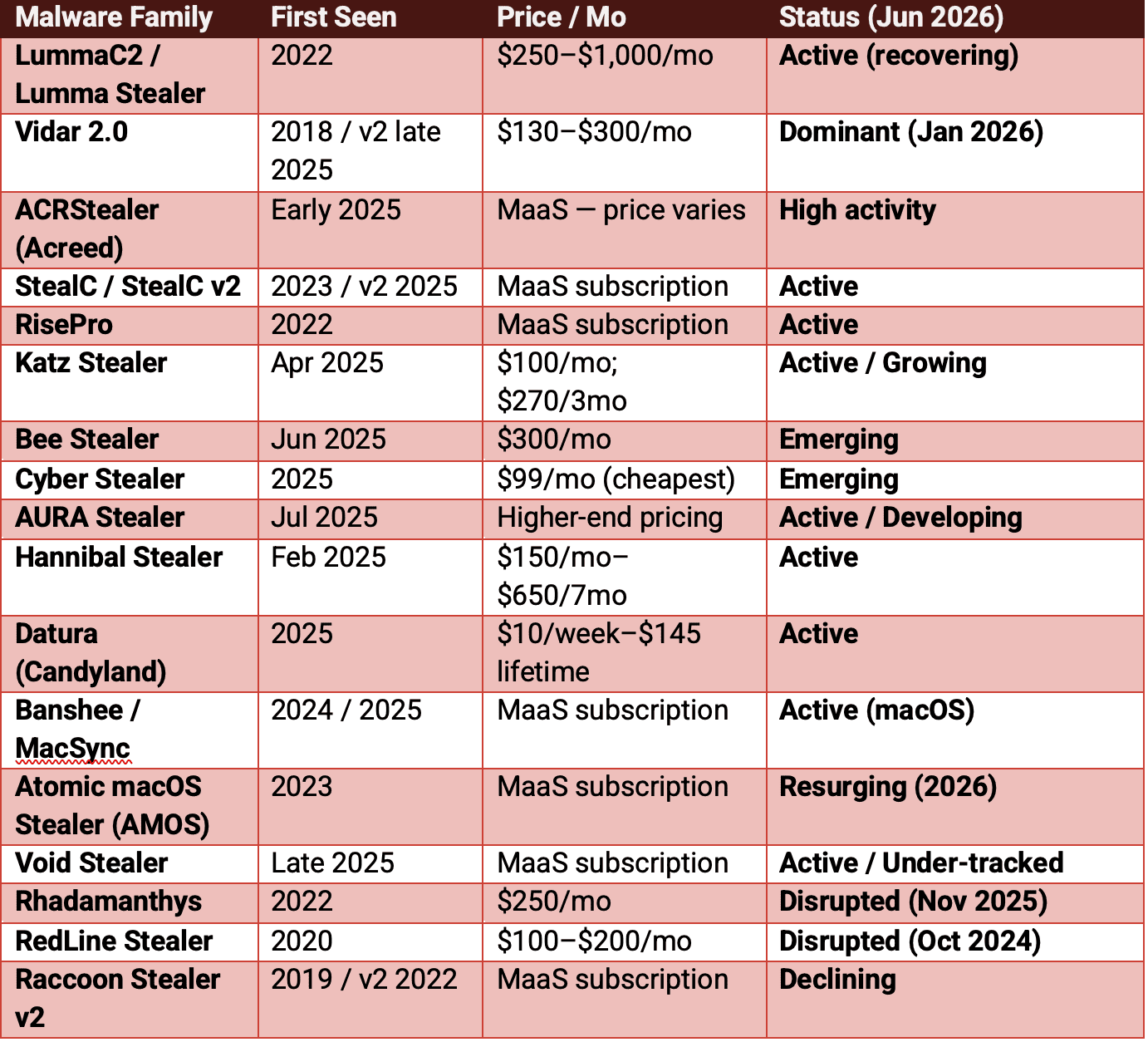
Across 53 darknet marketplaces actively observed between January and April 2026, DarkOwl collected new listings spanning more than 3,200 unique category labels. That fragmentation is not an accident — markets and vendors invent categories independently, which means a listing for methamphetamine might be filed under “Stimulants,” “RC Chems,” “Speed,” “Uppers,” or something else entirely depending on where it’s posted.
Making sense of that data requires moving past the labels. Rather than treating market-defined categories as meaningful, DarkOwl normalizes every listing into a consistent framework, then aggregates those normalized categories to produce a fingerprint: a profile of what a market actually hosts, expressed as a distribution across standardized categories.
When you compare those fingerprints across the 53 markets active in Q1 2026, five structural groupings emerge. Below, we take a look at these findings.
Five Kinds of Darknet Markets
First Cluster: Fraud-Dominant Markets
Avalon, Crown Market, and Courier Market group together because financial fraud, identity documents, and stolen credentials dominate their listing mix — not drugs. Sklad Market, Mist Market, and Apocalypse Market form a related sub-cluster, where fraud remains primary but is accompanied by a substantial hacking and cybersecurity presence. None of these markets are necessarily known by reputation as fraud platforms, but their listing distributions are unambiguous.
Second Cluster: Mixed-Activity Markets
Nexus Market, Atlas Market, Prime, and We-The-North maintain roughly balanced distributions across drugs, fraud, hacking tools, and compromised accounts. No single category dominates. Shadow-X occupies this cluster but stands out within it — it carries a notable share of luxury goods that distinguishes its profile from its peers. Anubis Market and Venom are grouped nearby, differentiated by a higher concentration of weapons listings alongside drugs.
Third Cluster: Cannabis-Focused Markets
Smokersco, CannaExpress, Drug-Town, and Trading-Market-Exchange group together not because they’re small or inactive but because their category distributions are so concentrated. These platforms sell almost exclusively cannabis — sometimes 85–90% of all listings fall into a single subcategory. Fingerprinting separates them from the broader drug markets precisely because their specialization is so pronounced. A platform that’s 90% cannabis looks nothing like a platform that’s 70% drugs across stimulants, opioids, psychedelics, and other classes.
Fourth Cluster: Broad Drug Markets
Omg-omg, TorZon, Blacksprut, Cocorico, and Vortex Market group here — drug listings dominate at 70–80%, with fraud and hacking as secondary categories. These are the markets the ecosystem knows by reputation, and their fingerprints confirm it.
Fifth Cluster: Atypical Outliers
Zelenka-LolzTeam hosts almost nothing but gaming accounts and social media profiles — its fingerprint bears no resemblance to any other market in the dataset. RoiBusiness and Ares are drug-focused but have low enough listing volumes that they remain separate from the main drug cluster, making cross-market comparison unreliable without accounting for scale.
Markets Don’t Stay Still
The cluster analysis reflects a four-month average, which obscures something important: several markets changed their category composition significantly over the period. Some changes are consistent with normal variation — different vendors posting different volumes in different months. Others are not.
Stargate Market is the clearest example. January listings are dominated by adult content — the platform looks, at first glance, like a niche adult market. By February the adult content has largely disappeared, replaced by drugs and fraud. March shifts again to cannabis and services. By April, financial accounts, identity fraud, and hacking tools dominate, and drug listings have almost vanished. Over four months, Stargate cycled through four structurally different profiles.
Avalon shows a different trajectory. January is drug-dominant. February brings a sharp increase in fraud. March sees reduced volume with a higher proportion of hacking and cybersecurity. By April, volume is significantly lower, and remaining listings are primarily fraud. The arc is consistent with a platform losing its drug vendor base — through enforcement action, vendor migration, or market reputation decline — with fraud listings filling the remaining activity.
Shadow-X begins the period with a distinctive luxury goods presence that places it as an outlier within the mixed cluster. That distinguishing feature disappears by April, replaced by the drugs-and-fraud profile that characterizes most of its neighbors. Whatever made Shadow-X distinctive in January was gone by Q2.
DarkHub shows the opposite pattern: category composition stays relatively consistent across all four months, but listing volume drops sharply in March and April. The mix doesn’t change — drugs and fraud, roughly stable proportions — but the platform is generating far fewer new listings. That’s a different kind of signal: not a change in what’s being sold, but a contraction in who’s selling it.
What this Means for Tracking Markets
Market reputation — what a platform is known for in forums, reviews, or community discussion — is a lagging and often inaccurate indicator of what’s actually being sold. Avalon does not carry a reputation as a fraud market. Its January data wouldn’t suggest one. Its April data is almost entirely fraud. An investigator relying on reputation-based targeting would have the wrong picture of Avalon for much of the year.
The cluster analysis and temporal tracking together point toward a more reliable approach: compare what a market is really hosting, using normalized categories, against the broader ecosystem. Markets that appear structurally similar to known fraud-dominant platforms are worth treating as fraud-dominant platforms, regardless of what they’re called or how they’re marketed. Markets whose category composition is shifting toward fraud or hacking-focused activity are worth monitoring more closely, because that shift is often a precursor to vendor migration, enforcement attention, or platform collapse.
When a market does collapse — as happens regularly in darknet ecosystems — its vendor population redistributes. Fingerprinting the collapsed market makes it possible to track that redistribution: look for increases in specific category clusters on other active platforms in the weeks following shutdown. The category signal persists after the market name disappears.
Analysis based on DarkOwl’s DarkMart dataset, covering 53 active markets and new listings observed from January through April 2026. Category distributions are derived from DarkOwl’s normalized category framework, applied uniformly across all markets including listings without market-defined categories.
Curious how DarkOwl can do deeper analysis for your company? Contact us.
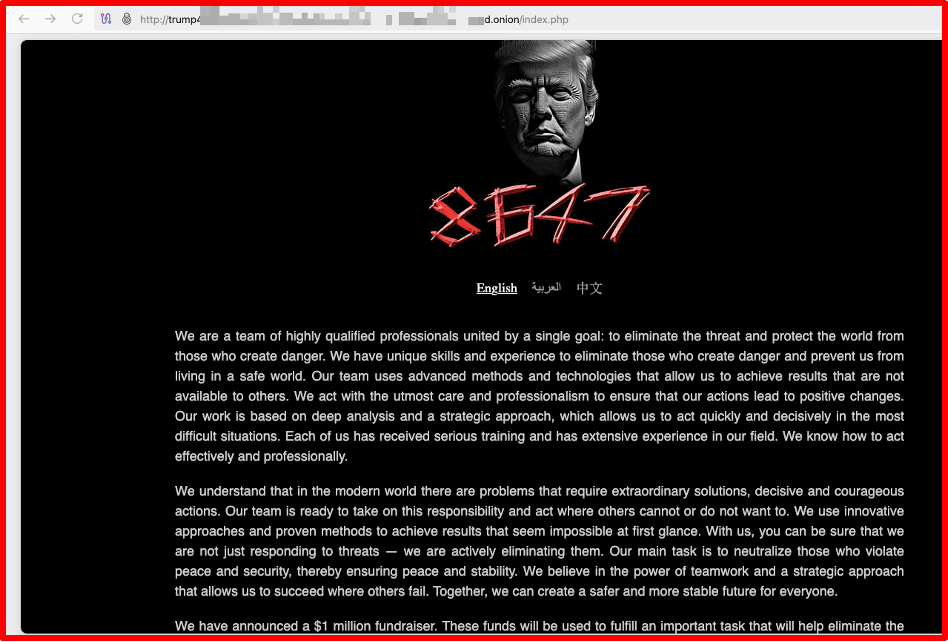
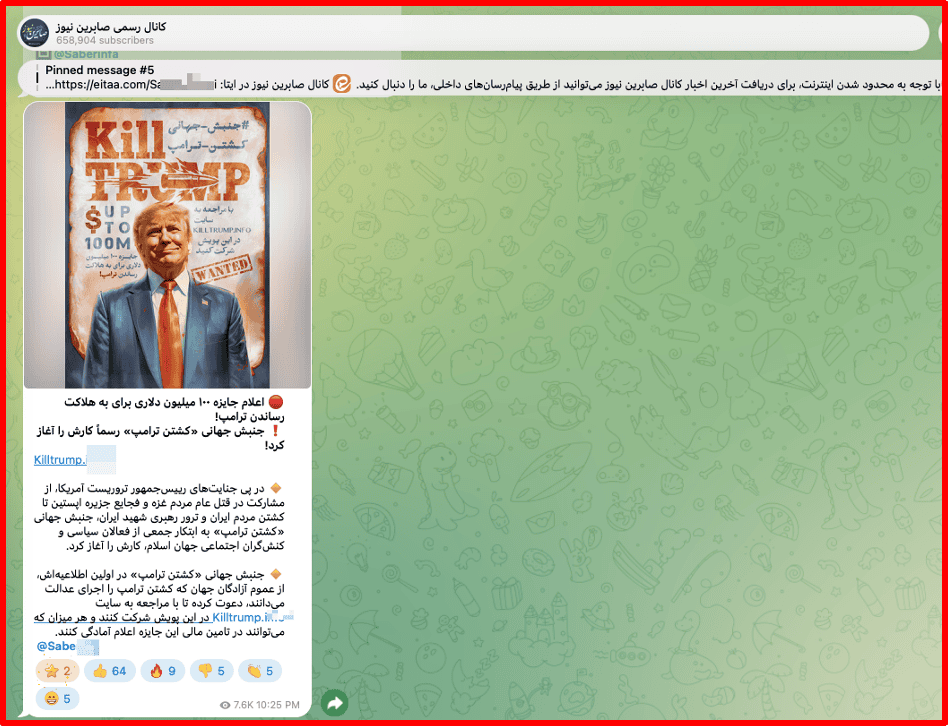
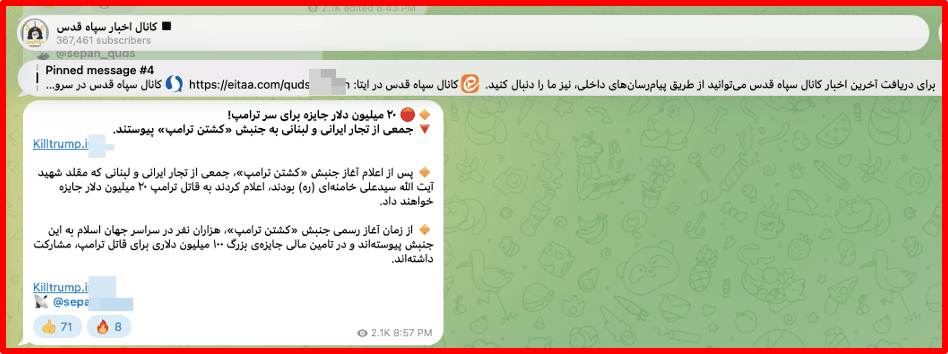
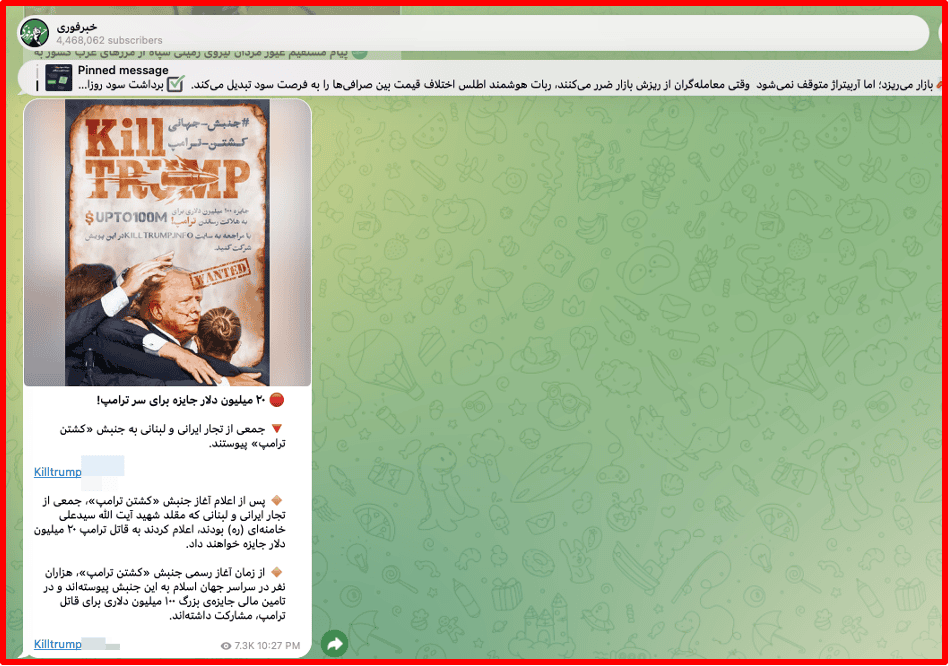
On May 28, 2026, the U.S. Department of Justice unsealed an eight-count indictment against Mohammad Baqer Saad Dawood Al-Saadi, a dual Iranian-Iraqi national charged with terrorism-related offenses for his alleged role as a senior operative of Kata’ib Hezbollah and Iran’s Islamic Revolutionary Guard Corps (IRGC). The indictment covers nearly 20 attacks and attempted attacks across Europe and the United States, all carried out in the name of Harakat Ashab al-Yamin al-Islamia (HAYI), a group that first emerged publicly in March 2026.
The legal case matters on its own terms. But the more analytically interesting question is what the indictment reveals about how HAYI functioned: not as a standalone terrorist organization, but as a coordinated media-and-operations network allegedly directed by Iranian-aligned actors. DarkOwl began monitoring HAYI’s Telegram footprint in April 2026. Mapping that monitoring against the indictment’s allegations puts several patterns that were already observable at the time into a different light.
Analysis for this blog was conducted using DarkOwl Vision, through targeted tracking of Telegram channels associated with HAYI and the broader Iranian-aligned amplification network.
Who Is Al-Saadi?
Al-Saadi, 32, is a dual Iranian-Iraqi national with a career spanning more than a decade inside IRGC-aligned militia networks. According to the DOJ and a detailed CTC Sentinel profile published in May 2026 by Crispin Smith and Michael Knights of the Militia Spotlight platform, he reportedly fought in Syria around 2016 in support of Assad’s forces and returned to Iraq to participate in operations against the Islamic State. Open-source imagery from as early as 2015 shows him operating alongside Iraqi Shia Popular Mobilization Forces and, unusually for someone his age, photographed repeatedly with senior IRGC-Quds Force and militia leadership including Qassem Soleimani.
After his arrest, Al-Saadi waived his Miranda rights and spoke voluntarily to U.S. law enforcement. He described himself as a leader within “the resistance,” a term he used to refer to the IRGC, Kata’ib Hezbollah, Hezbollah, and the Houthis. He said he had been like a son to Soleimani and traveled with him constantly before Soleimani was killed in a U.S. airstrike in January 2020. He also stated he met with Iran’s then-Supreme Leader Khamenei approximately three days before the conflict with Iran began in February 2026.
The CTC authors describe his career as reflecting “rarified trust and access” within Iranian-aligned militant structures. That background matters for understanding how someone allegedly coordinated a multi-country attack-and-media campaign while based in Iraq.
The Indictment: A Coordinated Attack-and-Media System
The DOJ alleges Al-Saadi played a significant role in planning, coordinating, and amplifying approximately 18 attacks across Europe conducted in HAYI’s name, including arson attacks, rudimentary bombings, stabbings, and a claimed drone operation targeting the Israeli Embassy in London. Two additional attacks in Canada are also alleged. Prosecutors describe HAYI as “actually a front of Kata’ib Hizballah and other U.S. designated foreign terrorist organizations.”
This is not a standard material support case. The allegations describe a level of operational integration between the attacks themselves and the surrounding media operations that goes well beyond financing or inspiration from a distance. According to prosecutors, Al-Saadi participated in live FaceTime calls with attackers while operations were underway, recorded those attacks, helped produce propaganda videos, and coordinated dissemination in parallel with the attacks themselves.
A video from April 18, 2026, the day of an attack against a synagogue in London, shows Al-Saadi on a FaceTime call projected onto a large screen against the HAYI logo, recording the attack as it happened. A voice on the call directs the attacker to “take a lighter,” “light it,” and “throw the fourth one.”
After his arrest, Al-Saadi told U.S. law enforcement he was “in charge of media and psychological warfare, including against the United States, as well as strategy and military intelligence.” He said HAYI’s propaganda videos were part of the “psychological warfare” the resistance was waging against the United States, designed to “instill fear and terror in civilians.”
His instructions to a Kata’ib Hezbollah contact about distributing attack footage reflect the same logic. In one exchange cited in the indictment, Al-Saadi told the contact that “[t]he most important thing is that within the psychological warfare, they [HAYI’s messages] are useful,” and that “anything that distracts the enemy is useful.”
Figure 2: Arrested senior officer of Kata’ib Hezbollah (December 2019 Facebook post accusing al-Saadi of assassination against protesters, reposting an image shared by al-Saadi himself in May 2018); Source: CTC West Point
The U.S. Targeting Dimension
Most public attention has focused on the European attack campaign, but the indictment also documents Al-Saadi’s alleged efforts to bring the campaign to the United States.
Prosecutors allege that in March and April 2026, Al-Saadi worked to arrange attacks in the United States, including against a synagogue in New York City. On April 30, 2026, the day before his detention while traveling in Turkey, he called an individual in the United States and asked whether that person knew “someone who could ‘attack’ in the United States, including by ‘burning, . . . or whatever he can,’ including ‘killing.’” He was detained the next day.
That attempted expansion fits with what Al-Saadi told investigators about his broader objectives. He described “the resistance” as waging psychological warfare specifically against the United States, and the geographic scope of HAYI’s claimed attacks had been moving steadily from Europe toward North America over the course of the operation.
What DarkOwl Observed in Parallel Telegram Activity
DarkOwl began monitoring HAYI-linked activity in April 2026 as attack claims circulated across Telegram. Our April 16 analysis raised the question of whether HAYI was a distinct organization or a node within a broader network. Several findings from that monitoring connect directly to what the indictment now alleges.
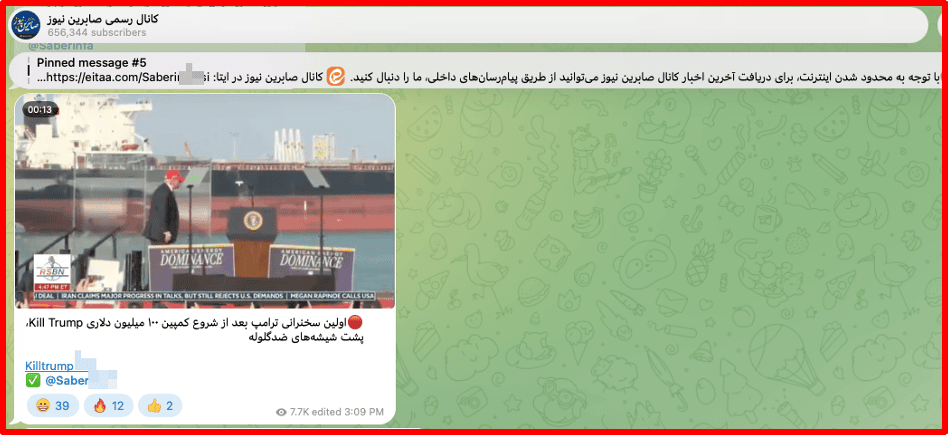
Al Faqaar as a structured amplification node. DarkOwl identified the Al Faqaar Telegram channel as consistently publishing HAYI-attributed content before or alongside the group’s own channels. At the time, we noted it functioned “similarly to established IRGC-aligned media outlets such as Sabereen News, acting as an early dissemination node.” The indictment now alleges that Al-Saadi instructed his Kata’ib Hezbollah (KH) contact to post attack footage “in the news, important” and coordinated directly on which channels to use and when. The distribution pattern DarkOwl tracked was not organic reposting. It fits the picture of structured, upstream direction.
The Sabereen News watermark. Our April 16 analysis also found Sabereen News branding within video content reposted by HAYI-affiliated channels, pointing to “participation in a shared media pipeline where content is reused and redistributed across channels.” The indictment’s allegations about Al-Saadi coordinating directly with KH propagandists on media timing and channel selection offer a plausible account of how that pipeline worked.
April 29, London. In our April 29 post, DarkOwl documented Al Faqaar’s near-real-time coverage of the London stabbing of two Jewish men, including a dual U.S.-British citizen. Al Faqaar published a text-only alert at 0500 MST, followed by attack footage, arrest footage, and a final branded video by 0830 MST. We noted at the time that the speed and structure of the media response suggested the incident was “either anticipated or quickly incorporated into a broader narrative framework.” The indictment shows what was allegedly happening on the other end: that same day, Al-Saadi told his KH contact to post the attack footage (“post it in the news, important”) and sent a message about a planned restaurant shooting for that evening. He was detained the following morning. DarkOwl was tracking the media operation in near-real time while Al-Saadi was allegedly running it.
A note on Russian-linked amplification. DarkOwl’s monitoring of the Axis of Resistance channel network identified that two of the four primary Telegram channels distributing HAYI content appear to have ties to sanctioned Russian networks. Whether this reflects deliberate coordination between Iranian and Russian information operations infrastructure, or parallel amplification by actors pursuing compatible objectives, remains an open question. It is a thread that warrants continued monitoring given the broader context of Iranian-Russian strategic convergence since February 2022.
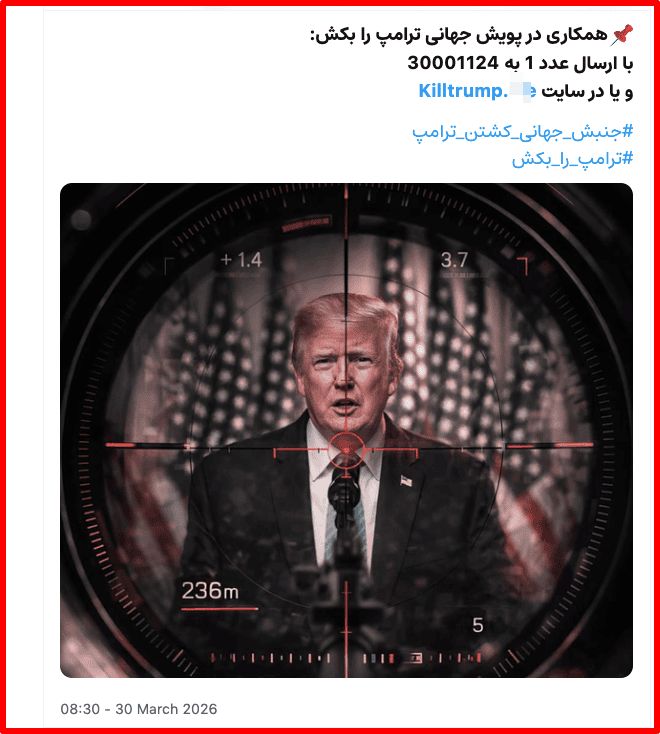
The “lone wolves” framing reconsidered. The April 29 analysis noted that the final video from the London stabbing framed the attackers as “lone wolves” and observed that this language “may reflect a deliberate strategy that allows groups to claim or amplify attacks while maintaining plausible deniability.” The indictment supports that reading. According to prosecutors, the deniability language in HAYI’s public messaging ran alongside direct tactical coordination, including real-time FaceTime calls during attacks. The two were not in tension. They were apparently by design.
HAYI as a Facade Operation
The analysis in CTC Sentinel characterizes HAYI as bearing “all the hallmarks of a muqawama ‘façade group’ operation, in which an online brand is used to partially conceal the real-world identity of an Iranian-aligned attacker.” The authors document that Al-Saadi sent HAYI’s launch statement and associated iconography via his Snapchat account more than four hours before it circulated publicly, indicating, as they put it, “his advanced and insider knowledge of HAYI’s operations.”
That finding tracks with what DarkOwl observed. In our April 16 analysis, we described HAYI as “best understood as part of a broader ecosystem in which content is circulated, repurposed, and reinforced across multiple actors” and noted that “attribution becomes less about identifying a single origin point and more about understanding how narratives move across channels.” HAYI’s primary Telegram channel was removed or banned by early April, but content continued moving through Al Faqaar, Safee al-Deen, and affiliated channels. The indictment suggests that continuity was structural from the beginning, with centralized direction continuing regardless of which channel was carrying the content at any given time.
HAYI was not, according to prosecutors, a spontaneous movement that KH later amplified. The branding, messaging, and distribution were managed upstream from the start.
The Operational Model: Attacks and Propaganda as a Single System
In Al-Saadi’s own account, as alleged by prosecutors, propaganda was not something that happened after an attack. It was part of the attack. “Psychological warfare” was described as a strategic objective, sitting alongside kinetic operations. Attack footage was reviewed, curated, timed, and sent to specific channels. The same person allegedly directing FaceTime calls during attacks was also coordinating which Telegram accounts received the footage and when.
The Institute for Strategic Dialogue (ISD) has characterized this type of approach as consistent with a potential “violence as a service” model, where individuals may be recruited, inspired, or financially incentivized to conduct attacks that are then amplified through a broader media network. The DOJ allegations add specificity to that framework: recruitment of local criminals (frequently minors, according to court documents, with at least one recruit offered €600 via Snapchat), real-time tactical coordination via video call, payments made via cryptocurrency and ZainCash, and propaganda production and distribution run through the same command structure as the attacks themselves.
This creates real problems for attribution and disruption. A decentralized channel network built around a disposable front brand lets organizing actors benefit from the psychological effects of violence while keeping distance from the individuals carrying out attacks. The deniability framing visible in HAYI’s public messaging was not a gap in the model. According to the indictment’s allegations, it was part of the design.
Implications for Threat Intelligence Analysis
Tracking the amplification network matters as much as tracking the primary brand. HAYI’s own channel was banned in early April. Its operational footprint stayed visible through Al Faqaar, Safee al-Deen, Sabereen News, and affiliated channels. In this model, monitoring the distribution layer is as important as monitoring the group itself.
Rapid media response can be a signal, not just noise. HAYI’s near-real-time output after attacks could be read as unsophisticated or opportunistic. The indictment points in the other direction: that speed reflected upstream coordination.
The “Lone wolf” framing should be treated as a narrative choice, not an analytical conclusion. The deniability language in HAYI’s messaging was visible before the indictment. Prosecutors now allege it ran alongside direct tactical direction of attacks in real time.
Propaganda channels and attack planning may share a command structure. Al-Saadi is alleged to have managed both simultaneously. Monitoring media production and distribution may provide as much operationally relevant signal as monitoring attack planning activity directly.
The model is transferable. Front branding, recruited or inspired attackers, real-time coordination, and rapid media amplification require fewer resources and expose fewer operatives than traditional terrorist infrastructure, while potentially generating outsized psychological impact. If it continues to prove effective, other actors are likely to adopt it.
Conclusion
The indictment offers a rare look inside a structure where violence and media amplification were apparently run as a single operation. The question it raises is not just who carried out a given attack, but how the surrounding channel network was built to turn that violence into narrative impact.
Much of what the indictment now alleges as fact was already partially visible in HAYI’s Telegram footprint: in Al Faqaar’s distribution patterns, in the Sabereen News watermarks embedded in attack footage, in the speed and coherence of the media response to the London stabbing on April 29. The indictment adds prosecutorial detail to patterns that DarkOwl’s monitoring had already flagged.
Recent academic research on HAYI, including work cited by the Combating Terrorism Center at West Point, has drawn on DarkOwl’s prior analysis of the group’s Telegram footprint and its relationship to the broader Iranian-aligned network. The Al-Saadi case makes clear why that kind of monitoring matters, and why the channel networks surrounding these operations deserve as much analytical attention as the operations themselves.
DarkOwl continues to monitor how this model evolves and whether it inspires adoption by other state-aligned actors or extremist networks. The case against Al-Saadi is one data point in what may be a longer trend toward operational structures that treat media amplification and physical violence as inseparable. How other groups respond to that example, and whether the model proves durable after a high-profile arrest, will be worth watching closely.
What vendor behavior actually looks like across 7,314 sellers — and why the same name on eleven markets doesn’t mean what you’d expect.
June 03, 2026
Of the 7,314 vendors active on darknet markets between January and April 2026, more than 2,000 posted exactly one listing. Another 1,000+ posted only two. The distribution has a long tail: the vast majority of accounts are transient, low-volume, and individually uninformative. They appear and disappear without accumulating enough activity to characterize.
This is the baseline condition of darknet vendor data. Most of it is noise. What’s operationally useful is concentrated in a smaller population of high-activity sellers whose behavior is sustained enough to analyze — and whose patterns persist across migrations, rebranding, and platform shifts.
Among the 285 vendors who posted more than 50 new listings during the period, two findings stand out.
Drug Vendors Specialize. Fraud Vendors Diversify.
The first finding is about specialization. Drug vendors, in aggregate, are more narrowly focused than any other vendor category. Cannabis sellers are the extreme case: most concentrate 90% or more of their activity in cannabis listings, with almost nothing else. Stimulant specialists and opioid specialists are nearly as concentrated — a vendor who sells stimulants rarely sells psychedelics or opioids at meaningful volume, even within the broader drug category.
This pattern is analytically useful. A cannabis vendor with 200 listings is maximally exposed in a single product category. Their profile is easy to recognize, easy to track across platforms, and easy to distinguish from vendors who happen to have a few cannabis listings alongside other inventory.
Broad-spectrum drug vendors — those distributing activity across stimulants, opioids, psychedelics, and other subcategories — exist but are less common. When they appear, the diversity itself is a signal. Vendors who source across multiple drug classes typically operate at larger scale or have more diversified supply chains than single-substance specialists.
Fraud vendors look structurally different. The typical high-activity fraud vendor spreads across financial instruments, identity documents, compromised accounts, and sometimes hacking tools within the same portfolio. This breadth is consistent with organized operations that source across multiple pipelines — not a single individual with a specific product, but a coordinated set of supply relationships. An investigator treating a fraud vendor the same way as a drug vendor — looking for a narrow category concentration — will misread the profile.
The Username Problem
The second finding concerns identity. Darknet vendors routinely reuse usernames across platforms, and other vendors independently register identical names on markets where those names aren’t taken. The result is that a username, on its own, is an ambiguous identifier.
The username victorviran appears on eleven markets during the January–April period. It’s an instructive example because the behavioral divergence across those eleven accounts is stark.
Three of the accounts — on WarpZone, Atlas Market, and Nexus Market — show nearly identical fingerprints: almost entirely accounts and credentials, with minimal activity in other categories. The structural similarity across platforms is too close to be coincidental. These accounts are plausibly the same operator maintaining parallel presence on multiple markets. The Stargate account bearing the same name has expanded its profile to include hacking tools alongside credentials — either an evolution of the same operation or a closely related actor.
Then there are accounts with the same name selling primarily financial fraud, with no meaningful overlap with the credentials-focused accounts. And at least one victorviran account whose listings are drugs. The profile bears no resemblance to the others.
The inverse of this problem is equally significant, and in some ways more useful to investigators. Different vendors operating under different names can produce nearly identical fingerprints — the same category distribution, the same subcategory emphasis, similar listing volumes. When a vendor migrates from a collapsed market to a new platform under a new username, the fingerprint often follows.
This is where similarity search across markets becomes operationally relevant. Starting from a known vendor profile — say, a confirmed drug distributor on a market that has since shut down — you can compute fingerprint similarity across all vendors on currently active markets and surface accounts whose behavioral profiles closely match. The name is different. The behavior is not.
In the victorviran similarity network, the most closely matching profiles include accounts that share the username. But they also include accounts that don’t. The fingerprint search finds both, and the username search alone would miss the latter entirely.
What Vendor Fingerprints Actually Tell You
The operational framing matters here. Fingerprints are a similarity signal, not an attribution mechanism. Two vendors with identical category distributions are not necessarily the same person. But vendors with highly similar fingerprints, appearing on different platforms in overlapping time windows, are worth treating as related until evidence suggests otherwise. The alternative — treating every new username as a new actor — understates continuity in an ecosystem where continuity is deliberately obscured.
The specialization patterns matter too. A vendor who is 95% cannabis is not a general drug distributor who happens to sell cannabis. They’re a cannabis-specific operator, and their investigative profile should reflect that. A fraud vendor who combines identity documents, financial instruments, and hacking tools in a single portfolio is not an opportunistic individual seller — the breadth implies supply chain access that a single person doesn’t typically have.
Seven thousand vendors is too many to work through manually. Fingerprint-based clustering reduces that population to meaningful groups: the cannabis specialists who cluster together by behavior, the credentials vendors who look similar across platforms, the broad-spectrum fraud operations that stand apart from everything else. The 285 high-activity vendors are not representative of the 7,314 — they’re a different kind of actor and analyzing them as a separate population surfaces patterns that the full dataset obscures.
Analysis based on DarkOwl’s DarkMart dataset, covering 7,314 active vendors across 53 markets from January through April 2026. Vendor fingerprints are derived from normalized category distributions across all listings associated with each vendor during the period. High-activity vendors are defined as those with 50 or more new listings during the observation window.
Curious to learn more about dark web monitoring? Contact us.
For years, social engineering followed a familiar pattern. The messages were generic, the grammar was questionable, and the urgency often felt forced. Most organizations trained their people to look for those signs, and for a while, that worked.
That version of social engineering still exists. It just isn’t what’s working anymore.
What has changed is not the goal, but the execution. Social engineering has shifted from isolated attempts at deception to a more refined, scalable, and deeply contextual approach. The result is something far more difficult to detect, not because it is more aggressive, but because it feels normal.
The original discussion in DarkOwl’s breakdown of social engineering trends focused on the foundations of deception. Today, those foundations are being layered with automation, intelligence, and precision in ways that remove the very signals defenders were trained to rely on.
Personalization That Eliminates Doubt
Attackers are no longer guessing. They are building context.
Information pulled from previous breaches, public profiles, and even internal organizational structures is being used to craft messages that reflect real relationships and real work. Instead of broad outreach, the focus is on relevance. A message might reference a current project, a colleague, or a routine process that the recipient recognizes immediately.
This shift matters because it removes hesitation. When something looks familiar, it is far less likely to be questioned.
When “Well Written” Stops Being a Signal
For a long time, poor grammar and awkward phrasing were reliable indicators of phishing attempts. That signal has largely disappeared.
AI-generated communication has raised the baseline quality of social engineering. Messages are now clear, structured, and context-aware. More importantly, they can evolve. Attackers are no longer limited to a single message. They can sustain conversations, respond in real time, and adapt their tone based on how the target engages.
The absence of obvious mistakes does not indicate legitimacy anymore. It simply reflects the tools being used.
From Single Touchpoints to Coordinated Interactions
Social engineering is no longer confined to one channel. It often unfolds as a sequence.
An email might introduce the request, followed by a text message that reinforces urgency, and then a message in a collaboration platform that makes the interaction feel internal. In some cases, a phone call completes the chain, adding a human element that builds trust.
Each step supports the next. By the time a request is made, it no longer feels like an isolated interaction. It feels like part of an ongoing conversation.
Impersonation Without Friction
Impersonation has also evolved. It is no longer limited to copying a name or an email address.
With minimal source material, attackers can replicate voices and, in some cases, create convincing video interactions. This is particularly effective in environments where quick decisions are expected, and verification processes are informal. A familiar voice, paired with urgency, is often enough to override hesitation.
The difference now is not just who attackers claim to be, but how convincingly they can present that identity.
Turning Security Controls Into Pressure Points
One of the more subtle shifts is how attackers are interacting with security controls themselves.
Rather than bypassing protections like multi-factor authentication, they are manipulating user behavior around them. Repeated approval requests, well-timed prompts, and framing actions as routine system activity all create pressure to comply.
What was designed as a safeguard becomes part of the attack path. The decision is no longer technical. It is behavioral.
Precision in Psychological Targeting
At its core, social engineering has always relied on human response. What has changed is the level of precision behind it.
Instead of broad emotional triggers, attackers are aligning their approach with the context of the target. A finance employee may receive a time-sensitive payment request, while someone in HR might see a message framed around employee issues. The tone, timing, and framing are chosen intentionally.
These interactions are designed to feel appropriate, not alarming. And that is what makes them effective. The triggers themselves are familiar:
Urgency – often tied to deadlines or financial transactions
Authority – presented through executive or leadership requests
Curiosity – framed as internal documents or updates
Empathy – commonly used in HR or personal scenarios
These are not new concepts. What is new is how accurately they are applied.
A Feedback Loop That Keeps Improving
Attackers are not operating in isolation. Techniques that work are shared, refined, and reused.
Across darknet communities, successful approaches are discussed openly. Messaging templates, engagement strategies, and bypass techniques circulate quickly, allowing others to replicate and improve them. This creates a cycle where effective methods do not stay niche for long.
Social engineering is no longer just a tactic. It is an evolving system.
What This Shift Really Means
The most important change is not the technology being used. It is the disappearance of friction.
Older attacks relied on the target making a mistake. Modern attacks are designed to feel like the correct action. They align with expectations, mimic normal workflows, and remove the cues people were trained to question.
That makes detection less about spotting something obviously wrong and more about recognizing when something is subtly off.
And that is a harder skill to teach.
As social engineering continues to evolve, the challenge is no longer just awareness. It is adaptation. Because the most effective attacks are no longer the ones that look suspicious.
The intelligence community’s understanding of Arabic-language activity on the dark web has lagged significantly behind research focused on English-speaking environments.
A newly published, prestigious ‘Scopus Q1’ study is beginning to close that gap, and the findings carry direct operational implications for government investigators, law enforcement agencies, and cybersecurity analysts working the MENA (Middle East and North Africa) region and beyond.
The study is written by Dr. Mohammad Shadi Alhakeem, Assistant Professor of Cybersecurity & Digital Forensics, College of Forensic & Investigative Sciencesat the Naif Arab University for Security Sciences (NAUSS). This blog is based on peer-reviewed research published in IEEE Access: “Investigating Cryptocurrency-Enabled Illicit Activities on the Arabic Deep/Dark Web” by Prof Mohammad Shadi Alhakeem.
Flying Under the Radar
The Arab world’s digital footprint is enormous and growing fast. Internet penetration across the region has reached approximately 70%, with countries like Saudi Arabia exceeding 99%.
Meanwhile, the Middle East and North Africa ranked seventh globally in on-chain cryptocurrency value received in 2024 — roughly $338.7 billion in a single twelve-month period.
That’s not just economic activity.
It’s a substantial attack surface.
The combination of widespread internet access, high cryptocurrency adoption, and anonymizing technologies like the Tor network has created fertile conditions for illicit activity — much of it conducted in Arabic and largely invisible to investigators relying on English-language intelligence sources. This study is one of the first systematic efforts to document what’s actually happening in this space.
The Investigation Begins
The researchers used DarkOwl Vision as the primary tool for identifying and analyzing Arabic-language content containing cryptocurrency addresses. DarkOwl Vision indexes one of the world’s largest databases of dark web content, spanning Tor, I2P, ZeroNet, Telegram, and Discord, without requiring investigators to directly access dangerous or illicit networks themselves.
Figure 1: Sample of a finding from the Arabic Darknet containing Monero Donation Address, Source: DarkOwl Vision
This matters operationally. Standard OSINT approaches often require analysts to navigate anonymization networks directly, exposing them to harmful content and operational risk.
DarkOwl automatically and anonymously indexes this content, sanitizes explicit material, and presents results in plain text — protecting the analyst while delivering the intelligence. Its filtering capabilities allowed the team to narrow more than 3.1 million initial results to actionable data by applying filters for language, cryptocurrency entity type, network source, and crawl timeframe.
From that starting pool — spanning July 2024 through June 2025 — the team identified 4,711 results containing cryptocurrency addresses. After de-duplication, that yielded 95 unique addresses tied to illicit activity, each analyzed for type, linked activity, source network, appearance frequency, and total funds received.
What They Found: 6 Categories of Illicit Activity
The resulting 95 addresses were classified across six categories:
Unverified Humanitarian Aid Solicitations (UHAS) — Campaigns soliciting cryptocurrency donations, primarily framed around aid to Gaza, with no affiliation to any recognized humanitarian organization. This category accounted for the largest number of unique addresses and the largest volume of funds received. More than 85% of all tracked payments — including one address that received approximately $50,000 — flowed to UHAS addresses, reflecting sophisticated exploitation of public sympathy.
Dark Web Marketplaces (DWM) — Platforms facilitating the trade of illicit goods, including drugs, within the Tor ecosystem.
Cyber Threat Actors (CTA) — Entities conducting malicious cyber operations, predominantly affiliated with pro-Iranian hacktivist groups including 313 Team and LulzSec.
Terrorism Financing (TF) — Activity directly linked to financing terrorism, with specific ties to ISIS. Despite representing fewer unique addresses, this category generated the highest frequency of appearances across DarkOwl’s dataset.
Child Sexual Abuse Material (CSAM) — Multilingual onion sites serving as platforms for uploading and distributing CSAM.
Dark Web Blogs and Forums (DBF) — A catch-all for political discussions, sexual content, and other material from onion sites outside the five primary categories.
What the Coins Tell Us
One of the study’s most operationally significant findings is the behavioral distinction between actors using pseudonymous cryptocurrencies like Bitcoin (BTC) and Tether (USDT) versus those using privacy coins like Monero (XMR) and Zcash (ZEC).
BTC and USDT dominated by volume and appeared predominantly on Telegram.
Privacy coins were concentrated almost exclusively on Tor-based Onion sites.
The platform choice wasn’t random — threat actors are deliberately matching their anonymity tools, pairing privacy coins with the Tor network for maximum operational security.
For investigators, BTC and USDT transactions leave traceable blockchain records. Specialized tools like Crystal Expert, TRM Labs, and Chainalysis Reactor can analyze transaction histories, identify clustering patterns, and link addresses to real-world entities.
Monero and ZCash are a different problem entirely. Their cryptographic design obscures transaction details at the protocol level, and the study was unable to determine the volume of funds received by any privacy coin address. Given that these addresses are disproportionately linked to Terrorism Financing and CSAM, that blind spot is not a minor inconvenience — it’s a critical investigative gap.
Operational Security
None of the 95 addresses appeared on both Telegram and the Tor network. The platform separation was absolute — a clear sign of deliberate compartmentalization designed to prevent de-anonymization. These actors understand the forensic trail that cross-platform address reuse creates, and they’re avoiding it. Some Monero addresses had first appearances in DarkOwl’s dataset dating back to early 2022, indicating operations that have run continuously for years.
What Investigators Can Do
Telegram is where the volume is, but the Tor network is where the most serious crimes are concentrated.
Agencies with limited resources should weigh their coverage accordingly. Unverified humanitarian solicitations deserve coordinated public awareness efforts — the financial flows are substantial, and these campaigns risk eroding public trust in legitimate aid organizations. For terrorism financing and CSAM cases, traditional blockchain analysis won’t be sufficient where privacy coins are involved: acquiring darknet monitoring, forensic tools and building relationships with Virtual Asset Service Providers is essential.
DarkOwl: The Infrastructure Behind This Work
This research was made possible through DarkOwl, and the capabilities it demonstrates aren’t limited to the research context — they’re what DarkOwl delivers to government agencies, law enforcement, and intelligence teams every day.
DarkOwl Vision’s combination of breadth across platforms, depth of historical data, and analyst safety makes it the tool of choice for exactly the kind of cross-platform, multilingual, cryptocurrency-focused investigations this study documents.
The Arabic dark web is no longer uncharted territory. Mapping it accurately — and keeping that map current — requires the right intelligence infrastructure. DarkOwl is where that work happens.
Data theft extortion, as the name suggests, occurs when a hacker unlawfully gains access to an organization’s sensitive data or systems and then demands payment in exchange for restoring access or halting the attack. More broadly, extortion encompasses any scenario in which a threat actor demands compensation to cease malicious activity.
Organizations can fall victim to these attacks in several ways, including data breaches, exploitation of system vulnerabilities, and social engineering tactics that deceive employees into granting unauthorized access. While companies continue to strengthen their defenses, attackers are simultaneously evolving their methods, often becoming more sophisticated and escalating their tactics.
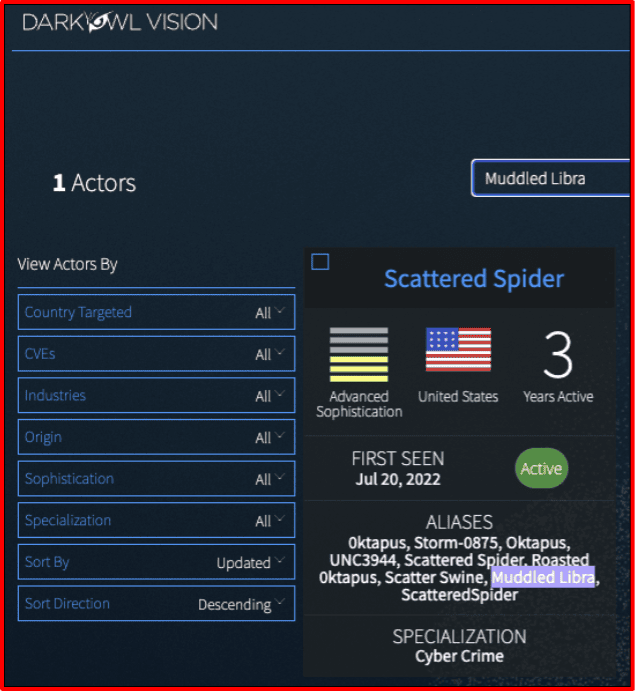
This blog explores several well-known data theft extortion incidents, examining how they were carried out and how organizations responded.
Vastaamo Data Breach
In October 2020, hackers contacted 40,000 patients from the Finnish psychotherapy provider Vastaamo, demanding €200 in bitcoin within 24 hours, followed by €500 within an additional 48 hours, threatening to release their personally identifiable information (PII) and therapy records if they refused to pay. Prior to the emails, Vastaamo had refused to meet the hackers’ demand when they received a ransom of €450,000 in bitcoin. In the initial response, the hacker posted 300 patient transcripts in a public forum. Eventually, a 10-gigabyte data file appeared on dark web sites containing private notes between at least 2,000 patients and their therapists.
The information was obtained due to the company’s inadequate security practices. Sensitive data belonging to patients was not encrypted or anonymized. Records were first accessed in 2018, and the security flaws were not fixed until March 2019.
In October 2022, the National Bureau of Investigation identified the suspect in the breach as 25-year-old Aleksanteri Kivimäki. He was subsequently charged in absentia at the Helsinki District Court with multiple offenses, including aggravated data breach, attempted aggravated extortion, aggravated distribution of information violating private privacy, blackmail, breach of confidentiality, and falsification of evidence. He was eventually convicted and sentenced to six years in prison. The attack prompted the Finnish government to implement enhanced security measures to safeguard citizens’ data, while also providing support to victims and introducing new legislation addressing data theft and extortion.
Salesforce Breach
In late 2024, the threat actor group Scattered Lapsus$ Hunters (SLH) gained access to corporate Salesforce data by using social engineering techniques, specifically vishing (voice phishing). Between March 2025 and June 2025 attackers gained access to Salesloft’s corporate GitHub account. Salesloft is a sales engagement platform featuring an AI chatbot, Drift, which integrates with Salesforce and other applications. After compromising the GitHub account, the attackers downloaded content from multiple repositories, created their own user within the organization, and established custom workflows.
On October 03, 2025,SLH launched a data leak Tor site extorting 39 companies that were impacted by the Salesforce breaches. The companies extorted in the link include Disney/Hulu, FedEx, Google, McDonald’s and more. A separate entry on the site requested that Salesforce pay a ransom to prevent impacted customers (approximately 1 billion records containing personal information) from being released. The group set an October 10 deadline for Salesforce to pay the ransom, or for potentially affected companies to contact the group to secure their data. Salesforce refused to negotiate with the threat actors, believing their threats were unsubstantiated and offered support to any of their affected clients.
While the group had threatened to release all information if their demands were not met, eventually they only leaked data from six companies. The victims included Albertsons, Engie Resources, Fujifilm, Gap, Qantas, and Vietnam Airlines. Qantas and Vietnam Airlines each had more than five million customer records exposed.
Jaguar Land Rover Cyberattack
The automobile manufacturer, Jaguar Land Rover (JLC), disclosed in September 2025 that they had been victim to a cyberattack that “severely disrupted production activities”. The attack began on August 31 leading JLC to halt production the following day, and by September 22 the disruption had forced a complete shutdown of its production lines for three weeks, with employees instructed to remain at home.
The threat actor Scattered Lapsus$ Hunters (SLH) took responsibly for the attack via a Telegram channel. JLC has not released details on how the information was compromised, but SLH has typically used social engineering campaigns to attack its victims.
The type of extortion used by SLH has not been released to the public but eventually the UK Government had to step in and loan JLR £1.5 billion. Without the loan, the government claimed that people will be “laid off in the thousands”. Based on the latest financial results released by JLR, the cyberattack had a substantial impact on its profitability. The company reported a loss before tax and exceptional items of £485 million in Q2 and £134 million for the first half, compared with profits of £398 million and £1.1 billion, respectively, during the same period last year. The government later referenced the attack and loan when outlining reasons for the country’s weak GDP in Q3 2025.
Oracle E-Business Suite
Corporate executives experienced an extortion campaign following Oracle E-Business Suite’s (EBS) data breach. The ransomware group Clop sent emails to multiple executives claiming their data was stolen from Oracle’s EBS systems. In the email the group claims they successfully infiltrated the system and exfiltrated sensitive data. Their email begins with a blunt introduction, identifying themselves and suggesting the victim verify their reputation online.
The group goes on to state that they have copied “a lot of documents,” including private files and other confidential information, which they now claim to control. Rather than focusing on system disruption alone, the attackers emphasize data possession. The threat escalates if payment is refused. The group warns that stolen data will be distributed, either sold to other malicious actors or publicly released through their own channels, including blogs and torrent platforms. This dual-threat approach (financial loss combined with reputational damage) is a hallmark of modern ransomware campaigns.
Organizations affected by the attacks included Logitech, Harvard, Envoy Air, the United Kingdom’s National Health Service and The Washington Post. Clop is known for carrying out large-scale, carefully coordinated extortion campaigns that target organizations across multiple industries and regions, aiming to exploit vulnerabilities and extract data from many victims simultaneously rather than focusing on a single sector or location.
How to Protect Your Business
If your business was victim to a data breach or extortion incident, consider taking the following steps:
Secure Operations Act quickly to contain the breach by securing systems, fixing vulnerabilities, locking affected physical areas, and mobilizing a response team with forensics, legal, and technical experts to investigate the cause and scope. Stop further data loss by taking affected equipment offline (without powering down), monitoring access points, replacing compromised systems if possible, and updating all credentials to prevent continued unauthorized access.
Fix Vulnerabilities Work with forensic experts to assess the breach: check encryption, review backups and logs, identify who had and still has access, and limit it if unnecessary. Determine what data was compromised, how many people were affected, and whether you can contact them. Examine who (within and outside) your organization has access to information and examine if privileges need to be changed.
Notify Appropriate Parties Determine legal requirements as some states have specific laws and regulations regarding who needs to be notified. Additionally, law enforcement can aid in the investigation process and should be notified shortly after initial discovery.
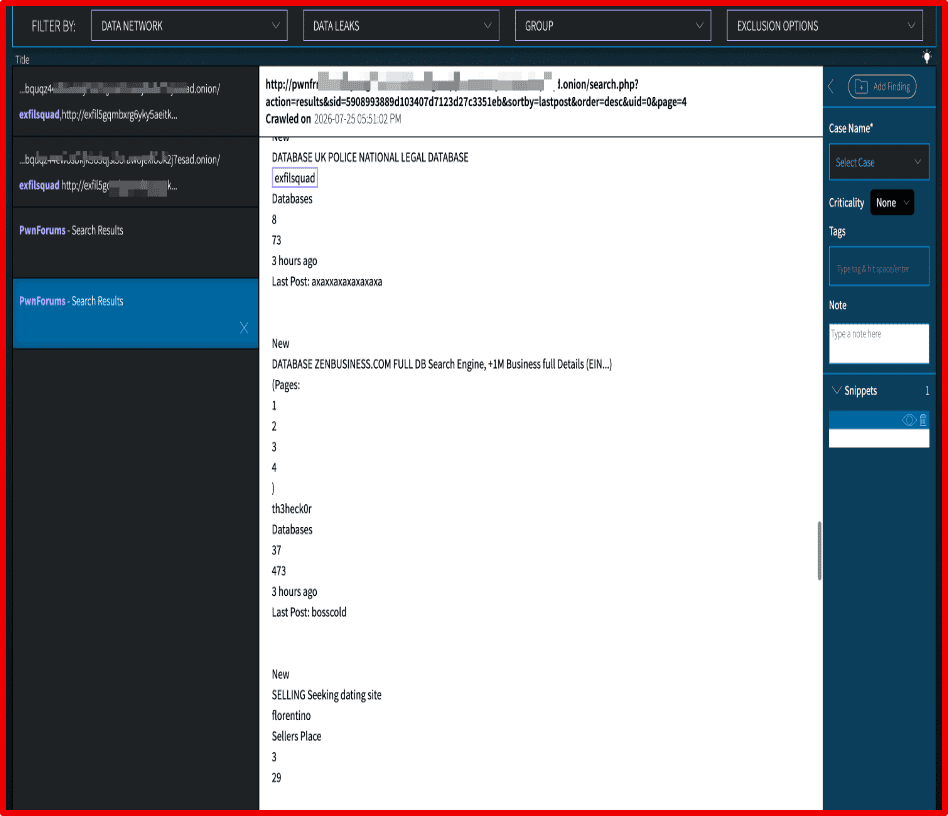
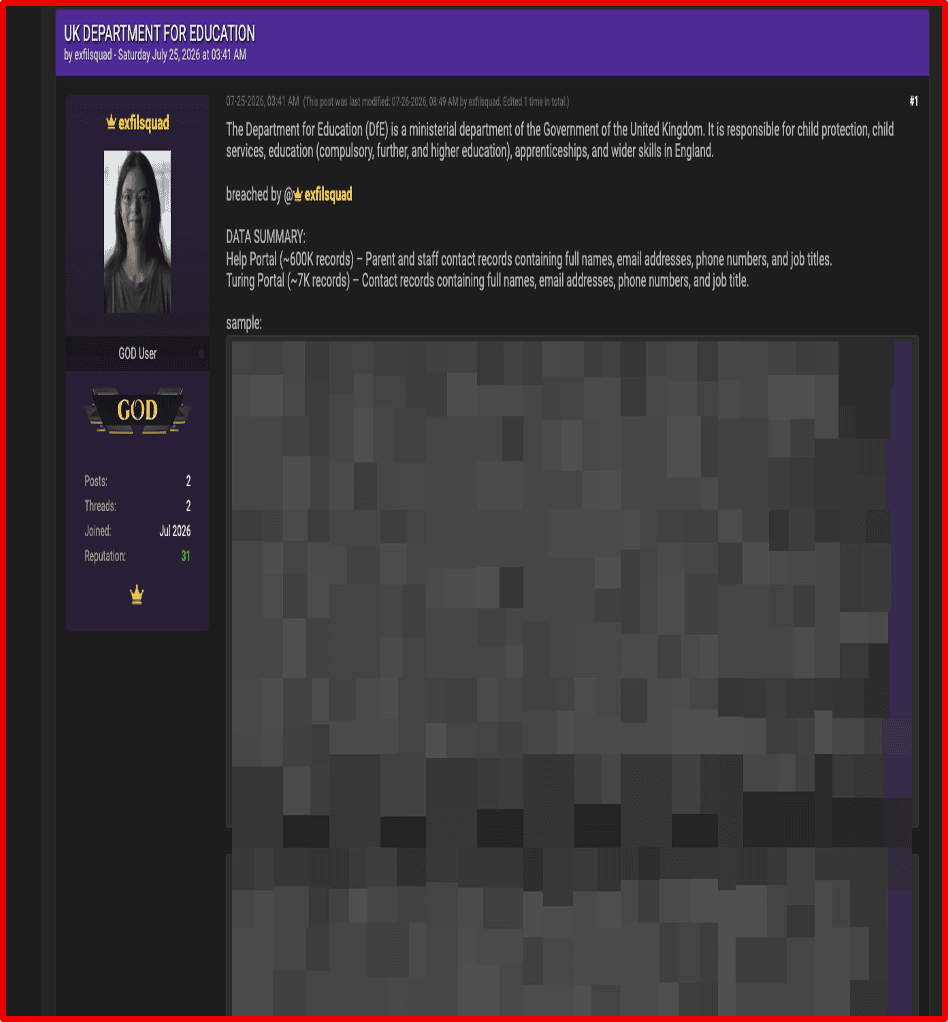
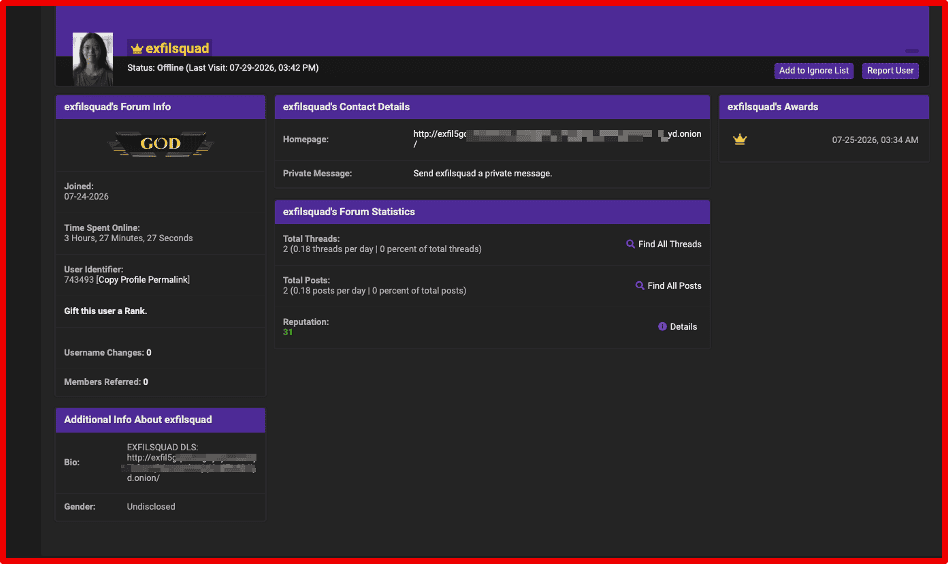
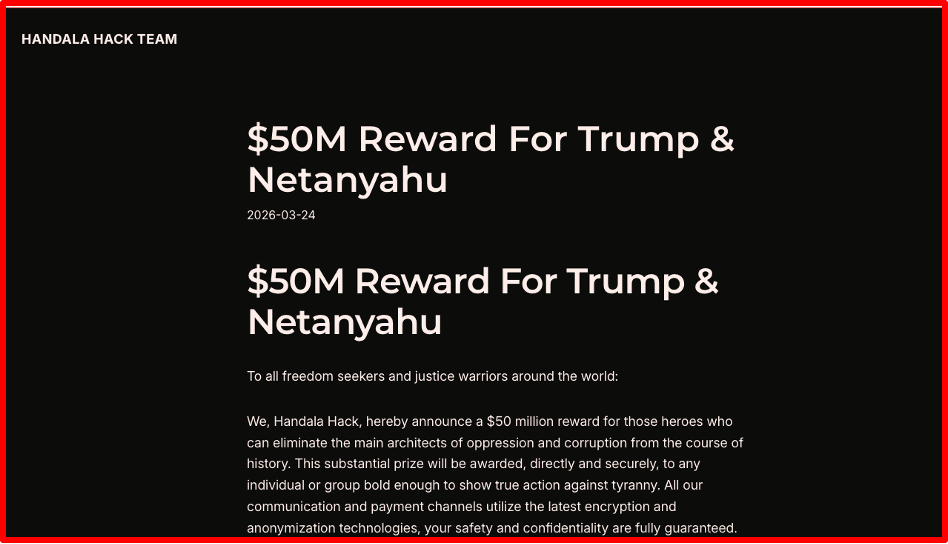
First appearing on the scene in December 2023, Handala Hack Team (Handala) established their presence as a pro-Palestinian hacktivist group via a Telegram channel and X account. The group described itself as a “small fighter of Hamas,” suggesting it was formed in response to the October 7 attacks that marked the start of the Israel–Hamas war. It was widely regarded as a front for Iran’s cyberwarfare operations and as one of several personas employed by the Iranian Ministry of Intelligence to claim responsibility for cyberattacks, a conclusion later confirmed by the Justice Department.
Early activity suggested the group primarily targeted the Israeli government and its citizens. Following Operation Epic Fury in February 2026, it carried out two significant attacks targeting the U.S.-affiliated Stryker medical manufacturer and FBI Director Kash Patel.
The Start
The first large scale attack by Handala targeted Israel’s Iron Dome. A high-level target for many hacktivist groups, Handala claimed to have successfully hacked into a “multi-purpose tactical radars company” – DRS RADA. The group shared several screenshots that appear to show internal system interfaces, along with evidence of defaced websites (specifically rada[.]com and rada[.]co[.]il). They also issued a threat to release up to 2 terabytes of data. At first glance, this suggested a potentially serious breach. However, a closer look revealed some important gaps. The official website for DRS RADA (drsrada.com) was not on the list of domains that were defaced. No actual data leaks or downloadable files were made available to support the claim of a large-scale exfiltration leaving researchers with questions of the groups claims to be “taken seriously”.
In 2024, the group also shifted its focus toward disrupting infrastructure targeting Israeli civilians. Using a spear-phishing tactic, residents of the Ma’ala Yosef Regional Council received text messages that appeared to come from the MyCity mobile app, a crisis management platform used by local authorities. The messages urged recipients to click a link and download an application which raised concerns about a targeted attempt to compromise personal devices. In the same month, Handala reportedly carried out a ransomware attack against Ma’agan Michael Kibbutz, exfiltrating approximately 22GB of data and sending more than 5,000 warning text messages. The ransom note included criticism of both the kibbutz and Israel, underscoring the group’s political motivations. Ma’agan Michael is widely regarded as one of the largest and most financially successful kibbutzim in Israel, making it a high-profile target.
Recent Activity
On March 11, 2026, Handala claimed to have wiped tens of thousands of systems and servers belonging to medical technology company, Stryker. In a statement Handala stated “over 200,000 systems, servers, and mobile devices have been wiped and 50 terabytes of critical data have been extracted,”. The attack allegedly forced offices in 79 countries to shut down. The group did not give details on logistics but declared it targeted the company in “retaliation for the brutal attack on the Minab school” as well as the companies alleged “Zionist” ties. According to media outlets, a Stryker spokesperson announced, “We are currently experiencing a global network disruption affecting the Windows environment.” Originally it was assumed the group used wiper malware but following an investigation Stryker claimed no malware or ransomware was found on their systems.
Following this attack, the Justice Department officially confirmed the connection between Handala and Iran’s Ministry of Intelligence and Security (MOIS). According to the department, the MOIS used the Handala-hack[.]to domain to carry out the Stryker attack. This led to seizure of four domains used by the group (Justicehomeland[.]org, Handala-Hack[.]to, Karmabelow80[.]org, and Handala-Redwanted[.]to).
On March 27, Handala claimed it had breached the personal email account of FBI Director Kash Patel: “All personal and confidential email of Kash Patel, including emails, conversations, documents, and even classified files, is now available for public download.” Watermarked personal photos and documents were subsequently released, including email correspondence from Director Patel’s time prior to assuming the role.
The attack appeared to be carried out in retaliation for the FBI’s seizure of Handala-linked domains after its earlier cyberattack on medical technology company Stryker. In their statement regarding the breach of Director Patel’s personal email account, the FBI reiterated that the Department of State’s Rewards for Justice program is offering up to $10 million “for information leading to the identification of the Handala Hack Team out of Iran.” The seized information appeared to be historical, and the FBI claimed that no government information was acquired or breached.
Tactics, Techniques, and Procedures (TTPs):
Handala’s operations are less about flashy, cutting-edge exploits and more about what works. As seen in their claims regarding the attack on Israel’s Iron Dome, the group appears to have overstated its impact to project capabilities beyond what it actually achieved. This pattern is consistent with broader hacktivist behavior, where exaggerated claims and unverified assertions are used to amplify perceived effectiveness. Similar tactics have been observed among pro-Iranian groups such as Ababil of Minab and APT Iran, both have blended propaganda with cyber operations.
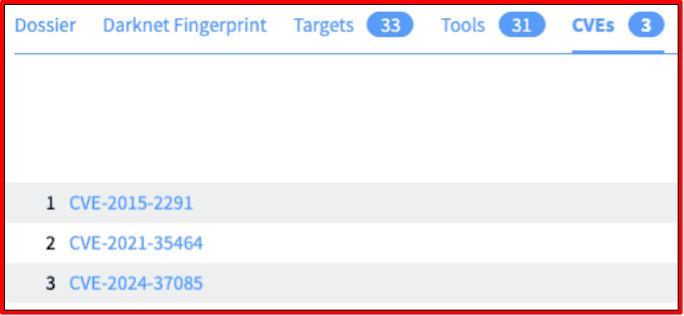
The group blends destructive malware with social engineering and practical intrusion techniques, creating a toolkit that’s both effective and adaptable. Instead of chasing novel vulnerabilities, they rely on a mix of commercially available tools, custom-built payloads, and “living-off-the-land” methods, leveraging legitimate system features to stay under the radar.
This pragmatic approach gives them a high degree of flexibility. They can quickly adjust tactics depending on the target while still achieving their core objective: disruption. As evidenced by their spear-phishing campaigns, the group has reached hundreds of thousands of individuals but achieved minimal success beyond the initial contact stage. Just as importantly, their campaigns are designed to have a psychological edge, amplifying the impact beyond the immediate technical damage.
Conclusion
The activities attributed to the Handala Hack Team highlight the evolving nature of modern cyber warfare. Operating under the appearance of grassroots hacktivism, the group has been linked to actions that blur the line between data theft, psychological pressure, and disruptive digital attacks. Their operations ranging from wiping large numbers of corporate devices to exposing personal information of individuals tied to defense and security sectors. All designed to create both reputational damage and operational disruption.
As geopolitical tensions increasingly extend into cyberspace the broader message is difficult to ignore, digital infrastructure and personal data are becoming central targets. Whether the target is a corporation, a government-affiliated organization, or a high-profile individual, the boundary between physical and digital conflict continues to erode. As the war with Iran persists Handala will remain an active threat.
DarkOwl is a Denver-based company that provides the world’s largest index of darknet content and the tools to efficiently find leaked or otherwise compromised sensitive data. We shorten the timeframe to detection of compromised data on the darknet, empowering organizations to swiftly detect security gaps and mitigate damage prior to misuse of their data.